Painters in Goodyear, AZ

Stand on the south or west face of almost any stucco building in Goodyear after a full summer cycle and you will see what Arizona sun actually does to exterior paint. The color goes chalky and bleached, the surface loses its sheen, and what reads as a well-maintained building in February starts reading as neglect by October. For a property manager fielding inquiries from prospective tenants, or a business owner watching customers pull into the parking lot for the first time, that first impression lands before anyone walks through the door. Goodyear’s UV intensity and monsoon moisture cycle accelerate paint failure faster than most owners anticipate, and choosing the right crew before the next season is not a cosmetic decision. It is a property management decision. Pro Tech Painting has been working on Arizona stucco, wood trim, and commercial surfaces since 1993, through every climate cycle the desert produces, which means the prep choices and product selections are grounded in what actually holds up here.

since 1993

Painting Arizona homes and businesses under the same ownership

residential & commercial crews

No subcontracting on any project

free written estimate

Complimentary color consultation on every project

Chalked and UV-bleached stucco on a south-facing wall of a Goodyear Arizona home before repainting

Why Goodyear Exteriors Fail Faster Than Owners Expect

Goodyear’s climate attacks exterior paint from three directions at once. The UV index sits above 11 for the majority of the year, baking pigment and binder out of any finish coat on south- and west-facing stucco walls. Then haboob season arrives and blasts fine particulate into every surface micro-crack those baked walls have developed. Finally, monsoon moisture finds those same cracks and works behind the finish coat, accelerating delamination in walls that were already stressed by thermal expansion, because Goodyear’s caliche-soil foundations shift subtly through the temperature cycles, and a coating that cannot flex with that movement will not last.

The cost of waiting is not just cosmetic. In master-planned communities like Estrella Mountain Ranch, Palm Valley, and PebbleCreek, active HOAs run architectural review processes with real enforcement teeth. A faded or peeling exterior is a compliance issue, not just an aesthetic one. For landlords, it is a tenant-retention issue: prospective renters comparing units notice the exterior before they ever see the kitchen. For homeowners thinking about resale, a deteriorating paint job becomes a negotiation point that costs more at closing than a repaint would have cost the season before. And in practical terms, every month of delay means more prep work when the job finally happens, because chalking and micro-cracking do not stop while the calendar turns.

Thirty-Plus Years of Arizona Painting, One Ownership

There is a specific kind of knowledge that only comes from painting Arizona surfaces through enough seasons to have seen what fails and what holds. Owner Al Levon has operated this business since 1993 under the same license, which means the decisions made on a Goodyear estimate today are informed by decades of watching how coatings perform on stucco in this specific climate, not on national product specs written for a humid mid-Atlantic building envelope.

What that longevity means in practice for a Goodyear property manager: the person who walks your property for the estimate is accountable for the result. This is not a franchise operation dispatched from a regional call center, and it is not a crew assembled from a rotating pool of subcontractors. When a question comes up about whether a south-facing wall needs an extra prep step before a finish coat goes on, or whether a particular HOA palette color will hold its saturation through two monsoon seasons, the answer comes from someone who has actually watched those situations play out on Arizona buildings.

An Arizona contractor’s license held continuously since 1993 also means the business has carried proper licensing through every regulatory update the state has issued in that period. For property managers who manage multiple assets and need vendors who can pass a compliance check, that continuity matters in ways that a newer crew with a lower bid simply cannot match. The accountability runs in a straight line from the estimate walkthrough to the final brushstroke, with no handoffs in between.
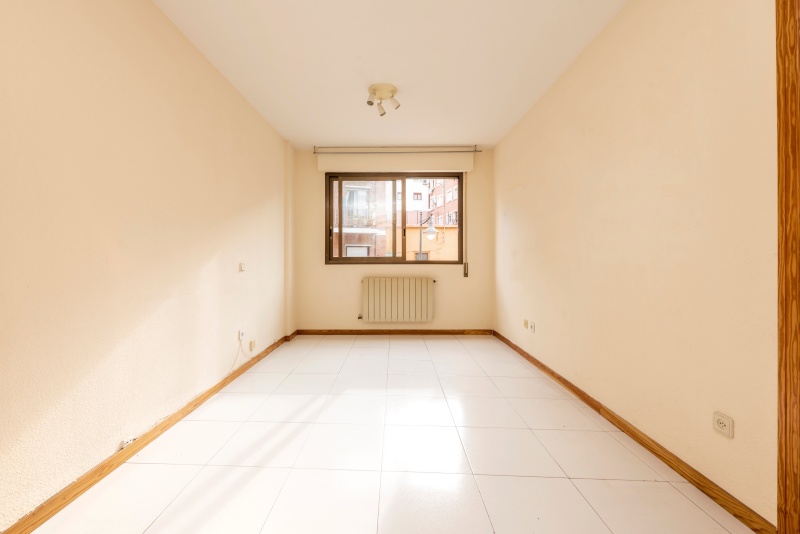
Living Room Empty Furniture Wooden Floors Freshly Painted Walls Access
Male Decorator Painting Wall Yellow Color

Painting Services for Goodyear Homes and Properties

A Goodyear property owner or manager is typically dealing with a specific mix: stucco-dominated exteriors that are at constant war with UV and dust, HOA color palettes that limit finish choices but not the number of options that need to be reviewed and approved, high-traffic interior common areas in multi-unit buildings that need to stay fresh between tenant cycles, and cabinet and door finishes in kitchen and bath refreshes that have to stand up to the dryness that comes with desert living. The services below are not a menu. They are the practical toolkit for keeping those assets looking maintained and compliant.

The scenario Goodyear property managers encounter most often is a unit or office space that needs a clean interior repaint between tenants or ahead of a lease renewal push. The walls typically show scuff lines near doors and light switches, patches of drywall that were repaired but never properly primed, and ceiling corners with faint water-stain shadows from monsoon-season roof intrusions a few years back. That combination of deferred prep is exactly what separates a finish that holds for three to five years from one that starts peeling within months in Goodyear’s dry air. Every interior project begins with patching, sanding, and priming bare and stained spots before a finish coat is ever selected, because the prep is what the paint is bonded to, not the previous layer of degraded coating.

Goodyear’s exterior painting reality starts with stucco, and stucco in this climate requires a specific sequence before any finish coat goes on. Pressure washing removes the dust and hard-water mineral deposits that accumulate on textured surfaces and prevent proper adhesion. Scraping and spot-priming address any area where chalking or micro-cracking has already begun. Then the finish coat selection matters: acrylic exterior coatings built to stay flexible through the thermal expansion that Goodyear’s 115-degree summers and cooler winter nights create are not optional upgrades, they are the baseline for a coating that will still be intact in three years. South- and west-facing elevations take disproportionate punishment in this market and regularly need an additional prep pass before any finish coat is applied.

A Goodyear homeowner refreshing a kitchen or primary bathroom without committing to a full remodel is often looking at builder-grade cabinet boxes that have yellowed or gone dull in the relentless indoor dryness of a desert home, alongside doors that have chipped at the edges from years of temperature cycling. The difference between a cabinet repaint that looks like a factory finish and one that shows brush drag and brush marks comes down to whether the doors were removed and finished in a controlled setting or painted while still hanging in place. Doors and cabinet faces are removed, finished off-site in a controlled environment, and rehung after cure, which produces a smooth, level surface that in-place painting on a hanging door cannot consistently achieve.

Property managers and business owners along Goodyear’s active commercial corridors, including the GSQ district near McDowell Road, face a painting problem that residential owners do not. A commercial repaint has to happen around tenants, customers, and established business hours, and a crew that shows up without a coordinated schedule disrupts the revenue the property is supposed to generate. Scheduling is built around occupancy patterns, crews work efficiently through the sequenced areas, and the same prep and quality standard applied to residential work carries over to every commercial job. The crew that paints a storefront exterior is the same crew that handles the interior common areas, which keeps the quality standard consistent across the whole property.

Goodyear Neighborhoods We Paint

Different parts of Goodyear present meaningfully different painting challenges. Master-planned HOA communities with color-approval processes require a crew familiar with architectural review timelines and submission requirements, not just a brush and a can of paint. Resort-adjacent properties carry higher aesthetic expectations where finish quality directly affects property value. Newer commercial corridors see exterior wear from dust and heavy traffic. Established residential pockets mix construction eras and prep requirements that vary from one house to the next. A single approach applied uniformly across all of these will underdeliver in most of them.

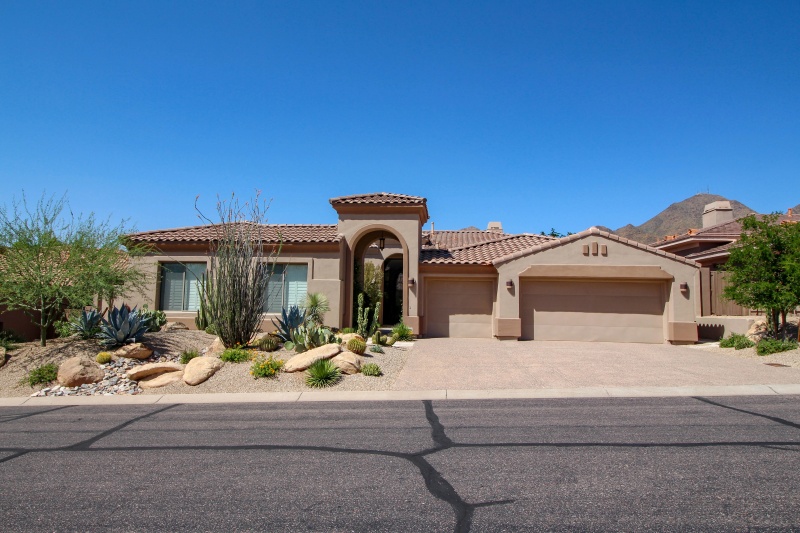
Estrella Mountain Ranch sits on Goodyear’s southern edge and operates under one of the more active HOA architectural review processes in the city. Before any exterior painting begins, homeowners must submit color selections for review and receive written approval, which means color choice here is not purely an aesthetic preference. It is a compliance step with a real timeline attached to it. Working with a crew that understands that process, and can help a homeowner select colors that are likely to pass review rather than require resubmission, saves weeks off the project schedule.

The stucco homes in Estrella Mountain Ranch sit at varying elevations across the community’s terrain, and many face direct afternoon sun on their west-facing walls. Dust drift from the surrounding desert also settles into the open texture of stucco and has to be fully cleared before any coating adheres properly. A pressure wash that moves visible dust around without actually removing it from the pore structure of the stucco is one of the most common shortcuts that leads to adhesion failure in this neighborhood. The prep step is not optional, it is the entire reason the finish coat lasts.

For homeowners managing HOA compliance deadlines or preparing for resale in a market where buyers are comparing move-in-ready finishes carefully, getting the exterior right here is not a deferred maintenance item. It is a condition of keeping the property competitive.

Palm Valley’s residential stock spans multiple construction phases, which means prep requirements can vary significantly from one street to the next. Homes from earlier build phases show more wear on wood trim details, which tend to absorb UV damage at a faster rate than the stucco field coat beside them. South- and west-facing trim in Palm Valley often reaches a peeling threshold before the main exterior field coat shows visible degradation, which means a repaint that skips targeted scraping and spot-priming on the trim is setting up a failure point within the first year.

Property managers handling multi-unit rental inventory in Palm Valley carry an additional scheduling pressure: interior repaints tied to tenant turnover windows are time-sensitive. A unit sitting vacant while a paint crew is unavailable costs rental income. A unit handed over with a rushed, unprimed repaint costs maintenance callbacks six months later. The approach here is a fast, clean interior finish built on proper prep, delivered on a schedule that fits the turnover window rather than the crew’s preferred project rhythm.

Single-family homeowners in Palm Valley are also frequently weighing a repaint against the cost of a longer deferral. The honest calculus in this climate is that deferral consistently makes the prep job larger and more expensive when the work does eventually happen, because surface degradation in Goodyear does not pause between seasons.

PebbleCreek operates in a different category than most Goodyear residential communities, not because the physics of stucco and UV are different here, but because the finishing bar is higher. This active-adult community carries resort-style architecture with Mediterranean and ranch-influenced design, and homes with golf-course frontage are priced in a range where exterior appearance has a direct and measurable effect on property value. A homeowner in PebbleCreek is not comparing their repaint to the house across the street in a standard subdivision. They are comparing it to the newly finished exteriors in adjacent phases of the community and to the general standard of a resort-caliber property.

The HOA architectural standards in PebbleCreek are among the most detailed in Goodyear. Color selections are reviewed against community standards that go beyond simple palette restrictions, and finishes that look inconsistent or show visible application flaws will be noticed, both by the HOA and by prospective buyers. The expectation for a clean, consistent result with no lap marks, no uneven sheen, and no visible brush pattern on a smooth stucco field is the baseline, not the premium tier.

Working in PebbleCreek means understanding that the color consultation matters as much as the application itself. A color that looks correct on a chip under store lighting may read differently under the full afternoon sun that falls on a south-facing elevation here, and getting that confirmation before the job begins is the step that prevents a finished product the homeowner is not satisfied with.

The commercial district anchored near 150th Drive and McDowell Road is in an active growth phase, with the GEN1 office building, newer restaurant and retail tenants, and mixed-use development drawing businesses to Goodyear’s downtown core at a pace that is creating a visible, high-foot-traffic commercial environment. For property managers and business owners operating here, exterior appearance on street-facing elevations is not a background detail. It is part of the pitch to prospective tenants and customers who are evaluating whether a space feels like the right address.

Exterior repaints on commercial buildings in this corridor need to project a sharp, maintained appearance on high-visibility frontage, which means surface prep on building faces that catch road dust and vehicle exhaust residue requires the same thorough pressure-wash and prime sequence that stucco homes demand in residential neighborhoods. Interior repaints in active retail and restaurant spaces require a schedule that does not shut down operations. Crews sequence through areas that are not customer-facing first, work in sections that allow the business to remain open, and complete customer-facing finishes in windows where disruption is lowest.

For property managers handling multiple tenants in a mixed-use building, the coordination requirement is higher, and having a single crew that can handle both exterior and interior work across the whole building eliminates the scheduling friction of managing two separate contractor relationships.

Pro Tech Painting crew working on a multi-unit property in the greater Goodyear Arizona service area

Serving Goodyear and the Surrounding Area

Some property managers in Goodyear oversee portfolios that extend beyond the city’s limits into surrounding suburbs and neighboring communities. Managing separate painting contractors for each location means separate estimates, separate schedules, and separate quality standards to track across a portfolio.

The team handles projects beyond Goodyear’s boundaries, covering outlying properties and multi-location portfolios under a single vendor relationship. For a manager who needs the same prep standard, the same color consultation process, and the same accountability on a property twenty minutes outside the city as on one inside it, that consistency across the broader service area removes a real logistical burden.

Start with a Free Estimate and Color Consultation in Goodyear

If a repaint is overdue on your Goodyear property and the real hesitation is not knowing what it will actually cost or which color will hold up correctly on your specific exterior, those are exactly the questions a free, no-obligation estimate and complimentary color consultation are designed to answer. Pro Tech Painting walks the property, assesses the actual surface condition, and produces a written estimate based on what the job genuinely requires. The color consultation confirms how your selection reads on the real exterior under actual Goodyear sun, not under store lighting on a two-inch chip.

Reach out to request your free estimate and get a clear picture of scope, cost, and color before any paint is purchased.
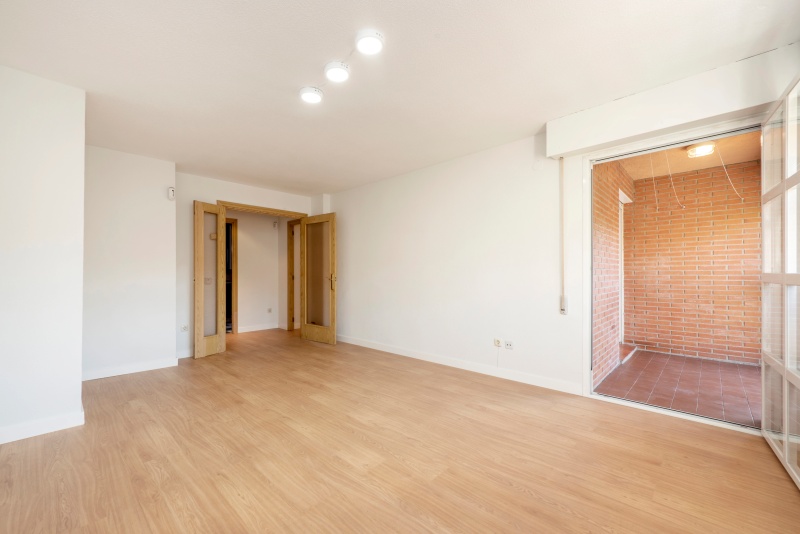
Empty Living Room Furniture Wooden Floors Freshly Painted Walls Access

Painting Questions Goodyear Homeowners and Property Managers Ask

In Goodyear, the combination of UV index above 11 for most of the year, monsoon moisture cycles, and significant thermal expansion on stucco surfaces compresses the useful life of an exterior paint job compared to cooler, less sun-intensive climates. Chalking on south- and west-facing walls, visible micro-cracking in the stucco surface, and color fade that appears uneven across different elevations are the three clearest signs that a repaint is overdue rather than approaching. Waiting until the finish is fully failing typically means a larger, more expensive prep job when the work does happen.

Most master-planned communities throughout Goodyear, including those with active architectural review boards, require homeowners to submit color selections and receive written approval before any exterior painting begins. Working with a painter familiar with that process, including which color families tend to pass review quickly and what submission documentation the board typically requires, can prevent delays that add weeks to a project timeline.

Goodyear’s summer temperatures regularly exceed 110 degrees, and extreme heat affects both how paint flows during application and how it cures after. The cooler months between October and April are the most reliable window for exterior work, because application conditions and cure times are more predictable. When exterior work does happen during summer, early-morning scheduling, before the surface temperature on south and west faces climbs into ranges that affect adhesion, is how quality is preserved during the hottest part of the year.

A phone quote or online square-footage estimator cannot assess stucco condition, confirm how much UV damage has accumulated on a south-facing wall, account for HOA color complexity, or calculate how much additional prep a particular surface actually needs. In Goodyear, where those variables shift dramatically between one property and the next, a flat per-square-foot rate is essentially a guess. A written estimate that comes out of an in-person walkthrough prices the actual job, not an assumed average condition.

Yes, and for property managers, this matters from a coordination standpoint. Running separate interior and exterior contractors on the same multi-unit building creates scheduling conflicts and inconsistent quality standards that show up in the finished product. A single crew that handles both moves through the property on a unified schedule, applies the same prep standard inside and out, and eliminates the communication gaps that come with managing two separate vendor relationships on one building.