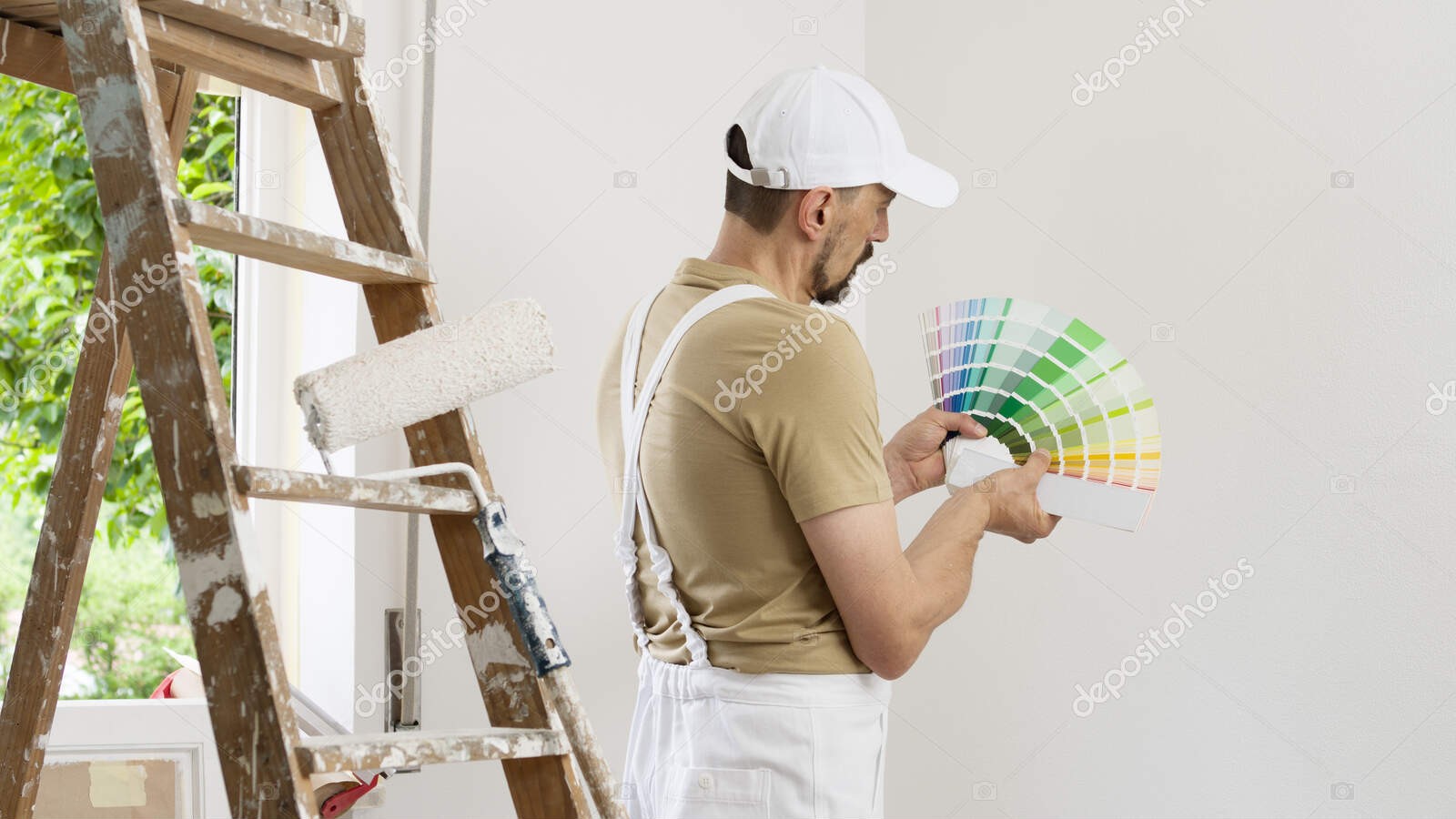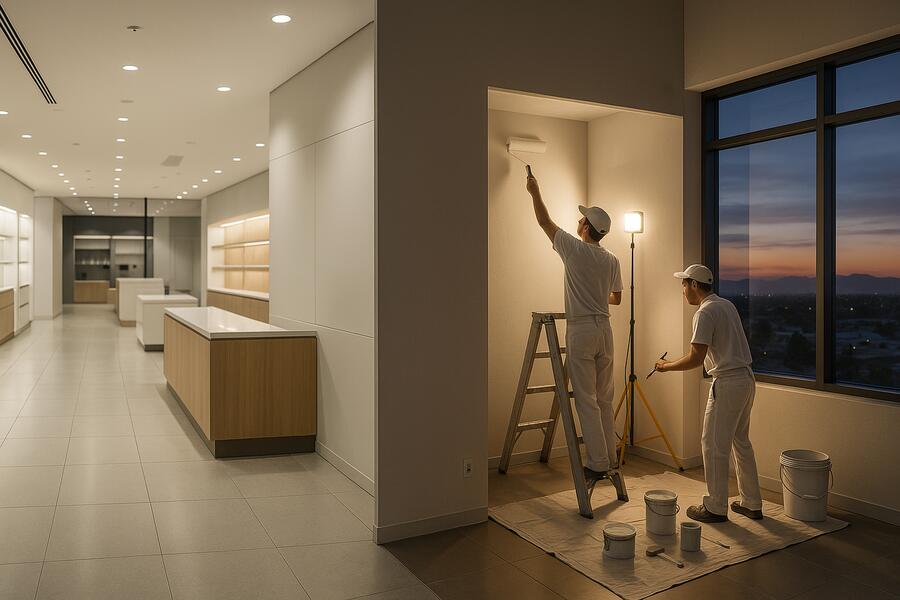
Commercial painting isn’t just about applying a fresh coat of paint; it’s a strategic operation designed to enhance your property while minimizing disruption to your business. For any commercial property owner, the thought of closing down or impeding daily operations for painting can be daunting. This is where strategic scheduling commercial painting around business hours becomes paramount. It’s not always easy, but with careful planning and an experienced contractor, it’s entirely achievable to refresh your space without sacrificing productivity or customer experience.
This foundational approach ensures your operations continue smoothly, even as a team of skilled painters transforms your commercial space. Many businesses, from bustling retail stores to quiet office environments, rely on expert painters who understand the nuances of working within a company’s operational rhythm. For example, a reliable commercial painting co phoenix az often specializes in executing projects that align perfectly with client schedules, ensuring minimal downtime.
The Core Challenge: Minimizing Disruption
The primary goal when undertaking a commercial painting project is to achieve a high-quality finish with the least possible interference to your daily operations. This means understanding your business’s unique rhythm and identifying periods of low traffic or complete closure. Without this strategic planning, a painting project can lead to lost revenue, frustrated customers, and a chaotic work environment.
Understanding Your Business Operations
Every commercial entity has its own operational cadence. What works for a bustling retail store won’t necessarily work for a corporate office or a 24/7 medical facility. Identifying these unique operational patterns is the first step in effective scheduling.
- Retail Stores: Often prefer overnight shifts or early mornings before opening hours. Weekend work can also be viable, depending on foot traffic.
- Office Buildings: Weekends, evenings, or holidays are typically ideal, allowing staff to return to a fully refreshed space without interruption to the work week.
- Restaurants: Scheduling usually occurs between closing and reopening, or during traditionally slow periods like early mornings before breakfast service.
- Healthcare Facilities: These often require the most meticulous planning, frequently involving phased work in isolated sections during off-peak hours or even overnight to maintain continuous patient care.
- Industrial or Manufacturing Plants: May utilize scheduled shutdowns or work in specific zones that can be temporarily isolated without impacting production lines.
💡 Key Takeaway: A customized approach to scheduling is critical. There’s no one-size-fits-all solution for commercial painting; it must be tailored to your specific business type and operational hours to minimize disruption effectively.
Strategic Scheduling Approaches
Once your business’s operational flow is understood, various scheduling strategies can be employed to get the job done efficiently and discreetly.
Phased Painting Execution
For larger commercial properties or businesses that operate continuously, phased painting is a common and highly effective strategy. This involves breaking the project into smaller, manageable sections, allowing work to proceed in one area while other parts of the business remain fully operational. This approach requires precise coordination to ensure smooth transitions between phases and to maintain safety for both painters and your staff/customers.
After-Hours and Weekend Work
This is perhaps the most common strategy for businesses looking to avoid disruption. Scheduling painting teams for evenings, overnight, or weekends ensures that work is done when your doors are closed or when traffic is at its absolute minimum. While these shifts might incur a slightly higher labor cost, the benefit of uninterrupted business operations often far outweighs the premium.
- Evenings (Swing Shift): Typically runs from 5 p.m. to midnight, suitable for offices, retail stores, or restaurants that close by dinner.
- Overnight (Third Shift): Usually 10 p.m. to 6 m., ideal for 24-hour retail, hospitals, or plants with day-only operations.
- Weekends: A popular choice for office buildings and some retail, allowing for a concentrated effort over a 48-hour window from Friday evening to Monday morning.
Utilizing Scheduled Downtime
If your business has planned shutdowns, such as annual maintenance periods, holiday closures, or seasonal lulls, these are prime opportunities to schedule comprehensive painting projects. This eliminates any need to work around active operations, often resulting in faster project completion and reduced costs.
| Business Type | Best Time to Paint | Recommended Schedule Strategy |
|---|---|---|
| Office Building | Weekends, Evenings | After-hours, section by section |
| Retail Store | Overnight, Early Mornings | Paint aisles or departments separately |
| Restaurant | Between Closing and Reopening | Alternating areas during non-service hours |
| Medical Center | Weekends, Overnight, Scheduled Shutdowns | Phased work around patient care zones |
💡 Key Takeaway: Beyond just timing, consider the logistics. Discuss building access, security protocols, and staging areas with your contractor well in advance to prevent any unforeseen delays.
Key Considerations for a Smooth Project
Successful commercial painting extends beyond just the schedule. Several other factors contribute to a seamless project.
Open Communication and Coordination
Before any paint touches the walls, establish clear lines of communication with your painting contractor. Discuss your exact business hours, peak and off-peak times, and any critical operational needs. A good contractor will ask detailed questions about your business to build a schedule that truly works for you.
Access and Security Protocols
If work is to be performed after hours, ensure your contractor has appropriate access to the property and understands all security procedures, including alarm systems, locking protocols, and emergency contacts. Discuss designated staging areas for equipment and materials to keep active areas clear.
Material Selection
The type of paint used also plays a role in minimizing disruption. Opt for quick-drying paints to reduce curing times and low-VOC (Volatile Organic Compound) options to minimize odors, which are particularly important in businesses where clients or employees will be present soon after painting.
Site Preparation and Cleanup
An experienced commercial painter will meticulously prepare the site, protecting furniture, fixtures, and flooring. Equally important is a thorough cleanup at the end of each shift, ensuring your business is ready for operation without any lingering mess or safety hazards.
💡 Key Takeaway: High-quality, low-VOC paints and thorough cleanup are crucial. These choices directly impact indoor air quality and how quickly your space can return to normal operations without any lingering odors or mess.
Successfully scheduling commercial painting around business hours requires foresight, flexibility, and a strong partnership with a professional painting contractor. By understanding your unique operational needs and employing strategic scheduling approaches, you can achieve a beautifully refreshed commercial space without sacrificing your daily productivity or customer experience. It’s an investment in your property that pays dividends in both aesthetics and business continuity.
Have questions about how to scheduling commercial painting around business hours? Reach out to our team today.
Frequently Asked Questions About Commercial Painting Schedules
What is after-hours commercial painting?
After-hours commercial painting refers to projects completed outside of a business’s regular operating hours, typically in the evenings, overnight, or on weekends. This approach is designed to minimize disruption to staff, customers, and daily operations.
How long does a commercial painting project usually take?
The duration of a commercial painting project varies significantly based on the size of the area, the complexity of the job, the type of paint used, and the scheduling strategy. A small office might take a few days, while a large retail space with phased work could extend for several weeks. Your contractor can provide a detailed timeline after assessing the project.
Can painting be done while my business is open?
Yes, painting can be done while a business is open, particularly if a phased approach is used or if work is restricted to low-traffic areas. However, this requires careful planning, use of low-VOC paints, and strict adherence to safety protocols to ensure the comfort and safety of everyone in the building.
What kind of paint is best for commercial projects to minimize disruption?
For projects aimed at minimizing disruption, low-VOC (Volatile Organic Compound) paints are highly recommended. These paints emit fewer odors and harmful fumes, making them safer for indoor environments. Quick-drying paints are also beneficial as they allow painted areas to be put back into service faster.