
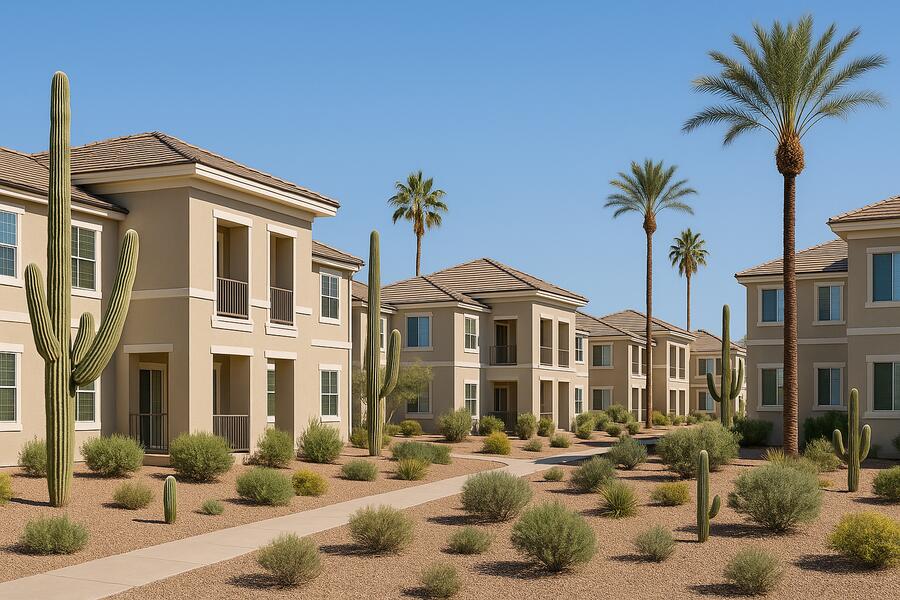
Maintaining a cohesive and appealing aesthetic across a multi-building community, such as an apartment complex or HOA, is crucial for property value and resident satisfaction. One of the biggest challenges in this endeavor is achieving and preserving “color consistency across multi-building communities.” Even with seemingly simple color schemes, variations can arise due to differences in paint batches, application techniques, and environmental factors, leading to a mismatched or unprofessional appearance. This is a common concern for property managers and HOA boards who strive for a uniform look that enhances curb appeal.
At Pro Tech Painting, we specialize in large-scale painting projects for multi-unit properties. We understand the complexities involved in maintaining color fidelity across numerous buildings, often painted at different times and under varying conditions. Our systematic approach ensures that every building, every façade, and every trim line reflects the exact color intended. This guide will delve into the critical factors that influence color consistency and outline the best practices for achieving a uniform, high-quality finish throughout your entire community.
💡 Key Takeaway: Achieving color consistency across multi-building communities is vital for property aesthetics and value, yet challenging due to variables like paint batches and application. A systematic approach, including strict adherence to color standards, professional project management, and a single point of contact, is essential to ensure uniform, high-quality finishes.
Establishing and Documenting Color Standards
1. Creating a Master Color Palette and Specification
The foundation of consistency is a clear, documented standard:
- Approved Color Codes: Establish an official, finite palette of colors for all exterior elements (body, trim, accents, doors). For each color, specify the exact paint manufacturer, product line, color name, and unique color code (e.g., Sherwin-Williams SW 7036 Accessible Beige).
- Finish Specifications: Define the desired sheen for each color (e.g., flat, satin, semi-gloss) as this significantly impacts how light reflects off the surface and how the color is perceived.
- Written Guidelines: Document these specifications in a formal set of guidelines or an “Architectural Review Committee” (ARC) document. This ensures that any future painting or touch-up work adheres to the established standard. For any apartment painting phoenix az project, detailed documentation is especially crucial due to sun exposure.
2. Consistent Material Sourcing
Even identical color codes can show slight variations if not managed correctly:
- Single Manufacturer & Product Line: Always specify and procure paint from the same manufacturer and, ideally, the same product line. Different manufacturers or product lines, even with similar-sounding color names, will produce different results.
- Batch Consistency: For large projects, attempt to order enough paint from a single batch (or as few batches as possible) to minimize batch-to-batch variations. Professional suppliers and painters will understand this requirement.
- Leftover Storage: Properly label and store leftover paint with color codes, product names, and purchase dates for future touch-ups. This prevents having to re-match colors from scratch.
💡 Key Takeaway: To ensure color consistency, establish a master color palette with exact manufacturer, product line, color codes, and sheen specifications, documented in formal guidelines. Critically, source all paint from a single manufacturer, ideally from the same batch, to minimize variations, and properly store labeled leftovers for future touch-ups.
Professional Execution and Quality Control
3. Professional Application Techniques
The human element and environmental factors play a large role in final color appearance:
- Experienced Crews: Employing experienced painting crews who are familiar with large-scale projects and adhere to consistent application techniques (e.g., consistent film thickness, uniform spray patterns, proper brush/roller techniques) is paramount.
- Consistent Film Build: The number of coats and the thickness of each coat directly impact color depth and vibrancy. Professional painters ensure a uniform film build across all surfaces.
- Environmental Factors: Temperature, humidity, and direct sunlight during application can affect how paint dries and ultimately appears. Experienced painters adjust their techniques or scheduling to mitigate these effects. For instance, in hot, dry climates, paint can dry too quickly, leading to brush marks or uneven finishes.
4. Phased Painting and Quality Control Checks
For multi-building communities, painting often occurs in phases:
- Master Schedule: Develop a master schedule for phased execution across buildings, ensuring consistent standards are applied throughout the entire project duration.
- Batch-to-Batch Comparison: Even with careful sourcing, slight variations between different paint batches can occur. A good painting contractor will perform test patches or comparisons with existing paint/swatches whenever a new batch of paint is opened, especially if painting is staggered over several months or years.
- Regular Inspections: Implement regular quality control checks by a designated project manager or HOA representative. Compare newly painted sections against approved samples and previously painted buildings to catch any discrepancies early.
💡 Key Takeaway: Achieving consistent color requires professional application techniques, ensuring uniform film thickness and proper methods by experienced crews, while accounting for environmental factors. Phased painting necessitates a master schedule and rigorous quality control checks, including batch-to-batch comparisons and regular inspections against approved samples.
Long-Term Maintenance and Documentation
5. Maintenance and Touch-Up Strategy
Even with the best paint, minor wear and tear are inevitable:
- Regular Inspections: Establish a routine inspection schedule for exterior surfaces to identify areas needing touch-ups or repairs before they become extensive.
- Documented Process: Outline a clear process for handling touch-ups, ensuring that the original paint codes and application techniques are strictly followed. This is where properly stored leftover paint and detailed documentation truly pay off.
- Professional Touch-Ups: For critical areas or larger touch-ups, engaging the original painting contractor or a similarly qualified professional helps ensure the repair blends seamlessly with the existing finish.
6. The Role of a Dedicated Point of Contact
Effective communication and oversight are paramount:
- Single Authority: Designate a single point of contact (e.g., property manager, HOA board member) who is responsible for liaising with the painting contractor and overseeing the project. This minimizes miscommunication and ensures decisions are consistent.
- Contractor Accountability: A professional painting contractor for multi-unit properties should provide a dedicated project manager who is accountable for adherence to color specifications, timeline, and quality standards.
| Challenge to Consistency | Pro Tech Painting Solution | Benefit for Community |
|---|---|---|
| Variations in Paint Batches | Bulk ordering from single source; test patches with new batches. | Minimizes subtle color shifts across buildings. |
| Inconsistent Application | Experienced, trained crews; strict application protocols; unified project manager. | Ensures uniform texture, coverage, and color depth on all surfaces. |
| Environmental Factors | Strategic scheduling; adjustments for temperature/humidity; proper curing times. | Optimizes paint drying/curing for consistent appearance and durability. |
| Long-Term Maintenance | Detailed documentation of color codes; leftover paint storage; touch-up guidance. | Facilitates seamless future repairs and maintains aesthetic value over time. |
💡 Key Takeaway: A long-term maintenance strategy, including regular inspections and documented touch-up procedures using original paint codes, is vital for sustained color consistency. Furthermore, designating a single point of contact (e.g., property manager) to liaise with the painting contractor ensures consistent decision-making and project oversight, fostering accountability.
Achieving and maintaining impeccable “color consistency across multi-building communities” is a complex undertaking that requires careful planning, precise execution, and robust quality control. By establishing clear color standards, employing experienced professionals who adhere to best practices, and implementing a diligent maintenance strategy, property managers and HOA boards can ensure their community retains its vibrant, uniform aesthetic for years to come. Investing in a professional approach now will pay dividends in enhanced curb appeal, increased property values, and satisfied residents.
Have questions about how to scheduling commercial painting around business hours? Reach out to our team today.
Frequently Asked Questions About Color Consistency in Communities
Why can paint colors look different on different buildings, even if they’re the same color?
Several factors can cause this. Differences in surface texture (e.g., stucco vs. siding) can alter how light reflects, affecting perceived color. Slight variations between paint batches, even with the same color code, can occur. Environmental conditions during application (humidity, temperature) can impact drying and final appearance. Also, the angle of the sun, surrounding landscaping, and adjacent building colors can influence how the human eye interprets the color.
What is an “approved color palette” for an HOA, and why is it important?
An approved color palette is a predefined list of specific paint colors, often including manufacturer codes and sheens, that homeowners in an HOA community are permitted to use for their exterior painting projects. It’s crucial because it ensures a consistent and harmonious aesthetic throughout the community, maintains property values, and prevents individual homes from clashing or detracting from the overall visual appeal. Homeowners typically need to submit their color choices for approval from the HOA’s Architectural Review Committee (ARC).
How often should a multi-building community repaint its exteriors to maintain consistency?
The repaint cycle depends on the climate, the quality of the original paint job, and the type of exterior surfaces. Generally, exteriors might need repainting every 5-10 years for stucco or wood, and perhaps longer for certain durable coatings. Regular inspections are key; when signs of fading, chalking, or peeling become widespread across several buildings, it’s a good indicator that a repaint project is due. Consistent maintenance helps extend the life of the paint and maintain uniformity.
Can I use a different brand of paint if I match the color code?
While paint stores can often “color match” a specific shade across different brands, professional painters for multi-building communities strongly recommend sticking to the original manufacturer and product line. Even if the color visually matches, different paint formulations (binders, pigments, additives) can result in variations in sheen, durability, and how the color ages over time, potentially compromising long-term consistency across the community.
