
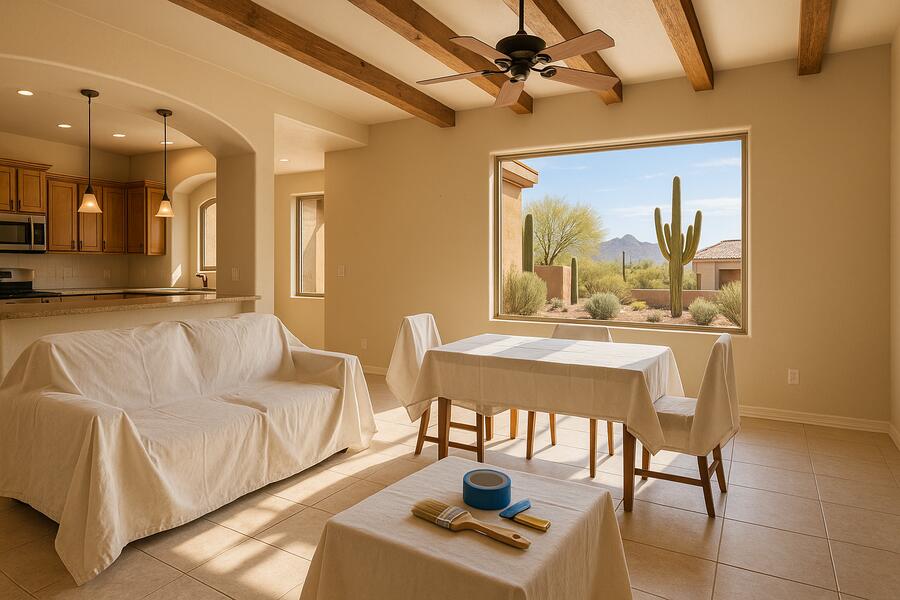
Embarking on a home painting project is exciting, a chance to refresh your living space with new colors and a revitalized atmosphere. To ensure the process goes as smoothly as possible and to get the best results from your professional painters, a little preparation on your part goes a long way. Understanding “preparing your home before painters arrive” can save time, prevent potential damage, and allow the crew to work efficiently from day one. While professional painters will always take precautions, some tasks are best handled by the homeowner.
At Pro Tech Painting, we value efficiency and respect for your home. Our experience has taught us that a well-prepared space enables us to deliver superior results more quickly and without incident. This guide provides a comprehensive checklist of steps you can take to prepare your home, ensuring a seamless start and a positive painting experience. From clearing personal items to managing utilities, these tips will help you set the stage for a beautiful transformation.
💡 Key Takeaway: Proper home preparation before painters arrive is crucial for efficiency and quality. This involves clearing personal items, protecting valuables, and ensuring clear access, which not only saves time but also allows the painting crew to focus on delivering superior results.
Clearing the Space: Interior and Exterior
1. Remove Personal Items and Valuables
This is arguably the most crucial step to protect your belongings:
- Wall Decor: Take down all wall hangings, including pictures, mirrors, clocks, and shelves. Remove any nails or screws, as professional painters will patch these holes as part of their surface preparation.
- Small Items: Clear all small, decorative items from tables, shelves, countertops, and window sills. This includes lamps, vases, plants, electronics, and knick-knacks.
- Fragile Items: Pack away anything breakable into boxes and move them to a room not being painted or a secure storage area.
- Valuables: Ensure all valuable documents, jewelry, and irreplaceable items are removed from the work area and stored safely.
2. Furniture Arrangement
How you handle furniture can significantly impact the painting process:
- Move Large Furniture: Whenever possible, move large furniture pieces (sofas, beds, dressers) to the center of the room. This provides painters with ample space to work along the walls and around the perimeter.
- Empty Cabinets/Closets: If cabinets or closets are being painted, ensure they are emptied beforehand. For kitchen cabinet painting, clear countertops entirely.
- Professional Assistance: While painters typically move furniture to protect it, having it pre-positioned or partially moved allows them to focus more time on painting rather than relocation. Discuss your expectations with your residential painters phoenix az during the initial consultation.
💡 Key Takeaway: Before painters arrive, thoroughly remove all wall decor, small decorative items, and fragile valuables from the work area and store them securely. Move large furniture pieces to the center of the room or out of the room entirely to give the painting crew clear access to all surfaces.
Surface Prep and Accessibility
3. Light Cleaning and Minor Repairs
While painters handle extensive surface prep, some homeowner tasks are helpful:
- Dust Walls and Baseboards: A quick dusting of walls and baseboards with a dry microfiber cloth can remove loose dust, cobwebs, and dirt, making the painters’ job easier.
- Address Greasy Spots: In kitchens or bathrooms, lightly wash any greasy or grimy spots with a mild detergent and water solution. This prevents stains from bleeding through the new paint.
- Small Nail Holes: While painters will typically fill nail holes, if you have many very small holes from previous decor, you can patch them yourself with spackle for a head start, or simply identify them clearly for the crew.
4. Ensure Clear Access and Utilities
Smooth workflow depends on clear pathways and functional utilities:
- Clear Pathways: Ensure clear, unobstructed pathways for painters to move equipment and supplies in and out of the work areas. Remove any tripping hazards.
- Parking Space: If possible, reserve a convenient parking spot close to your entrance for the painting crew’s vehicles.
- Utilities: Ensure electricity and water are readily available and functional at the property. Painters will need access to outlets for tools and water for cleaning.
- Lighting: Ensure there is adequate lighting in the rooms to be painted, or discuss temporary lighting solutions with your contractor if needed.
5. Exterior-Specific Preparations
For exterior painting projects, different preparations are needed:
- Trim Landscaping: Trim back any bushes, trees, or vines that are touching the house to allow painters full access to the exterior walls.
- Move Outdoor Furniture/Decor: Clear patios, decks, and yards of outdoor furniture, grills, planters, and any other decorative items that might obstruct the painting process.
- Secure Pets: Ensure pets are secured indoors or away from the work area for their safety and to prevent delays.
- Access to Water Spigots: Confirm exterior water spigots are functional and accessible for power washing and cleaning.
| Preparation Area | Homeowner Task | Why It Helps |
|---|---|---|
| Personal Items | Remove wall decor, small items, valuables, and fragile items. | Protects your belongings, prevents damage, clears surfaces. |
| Furniture | Move large furniture to room center or out of the room; empty cabinets/closets. | Provides clear access for painters, speeds up masking/drop cloth setup. |
| Wall Surfaces | Light dusting, clean greasy spots, mark small holes (painters will patch). | Aids paint adhesion, reduces prep time for painters. |
| Access & Utilities | Clear pathways, provide parking, ensure water/electricity access. | Enables efficient movement, ensures tools and cleaning needs are met. |
| Exterior (if applicable) | Trim landscaping, move outdoor furniture, secure pets, ensure spigot access. | Grants full access to exterior, protects outdoor belongings, ensures safety. |
💡 Key Takeaway: Beyond clearing the space, perform a light cleaning of walls and address minor repairs like dusting or cleaning greasy spots. Crucially, ensure clear pathways, adequate parking, and functional electricity/water for the crew. For exterior projects, trim landscaping, remove outdoor items, secure pets, and verify spigot access.
By taking these proactive steps in “preparing your home before painters arrive,” you contribute significantly to a smoother, faster, and higher-quality painting project. It demonstrates respect for the painting crew’s time and expertise, allowing them to focus on what they do best: transforming your home with a beautiful, lasting finish. A little effort upfront can make all the difference in achieving the stunning results you envision.
Have questions about how to scheduling commercial painting around business hours? Reach out to our team today.
Frequently Asked Questions About Home Preparation for Painters
Do I need to clean my walls thoroughly before painters arrive?
While painters will do some surface cleaning as part of their preparation, a light dusting to remove cobwebs and loose dirt is very helpful. For areas with visible grease or grime (like kitchens or bathrooms), a quick wipe-down with a mild detergent solution is beneficial to prevent paint adhesion issues. However, avoid heavy scrubbing that might damage the existing surface.
Should I remove switch plates and outlet covers myself?
Professional painters typically handle the removal of switch plates, outlet covers, and sometimes light fixtures as part of their standard prep. They do this to ensure a clean, sharp edge around these fixtures and to prevent paint from getting on them. You can certainly remove them yourself if you prefer, just be sure to keep all screws with their respective plates and store them safely.
What about my pets and children during the painting process?
For the safety of your pets and children, and to avoid disruptions, it’s highly recommended to keep them away from the work areas. Pets should be secured in a room not being painted or boarded temporarily. Children should be supervised and informed about staying clear of wet paint, equipment, and materials. This also helps the painting crew work more efficiently without distractions.
Should I move my delicate artwork or heirlooms out of the house completely?
Yes, for highly delicate or valuable artwork and heirlooms, it is always best to move them out of the house or to a secured, non-working area completely. While painters will cover and protect items left in the room, removing your most cherished possessions eliminates any risk of accidental damage, overspray, or dust exposure, giving you complete peace of mind.
