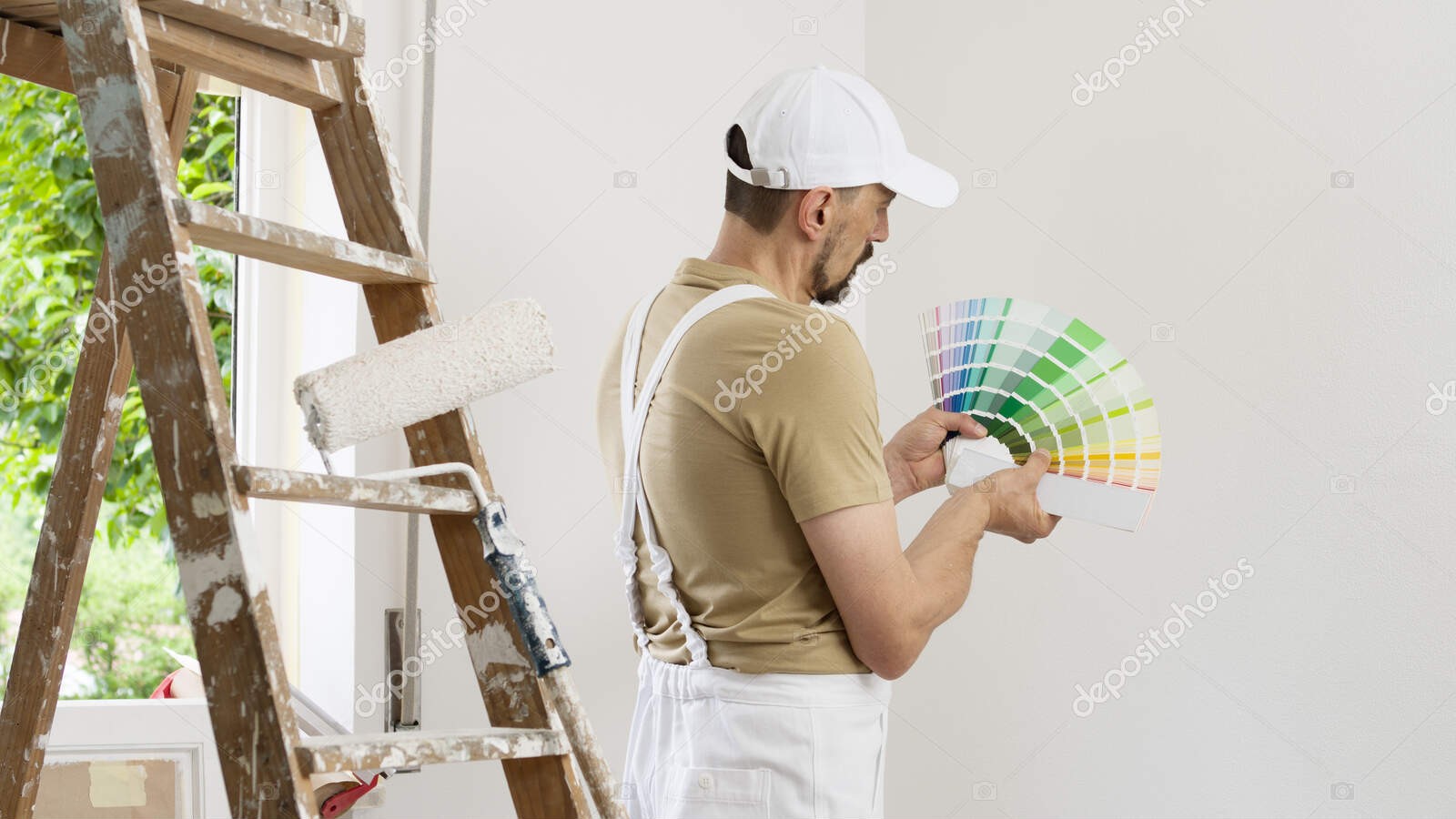
The exterior color scheme of a multifamily property is more than just aesthetics; it’s a critical component of its brand identity, market appeal, and overall value. Unlike single-family homes where individual preferences reign, choosing exterior colors for multifamily properties requires a strategic approach that balances current trends with timeless appeal, local regulations, and the preferences of a diverse tenant base. A well-chosen palette can enhance curb appeal, attract new residents, and foster a sense of community, while a poor choice can deter potential renters and quickly look dated.
As professionals with extensive experience in commercial and multifamily painting, we understand the nuances involved in this decision. It’s about creating a cohesive, inviting, and durable exterior that stands the test of time and trends.
Key Considerations When Selecting Multifamily Exterior Colors
The process of choosing exterior colors for a multifamily property is a thoughtful journey that involves several layers of consideration, from marketability to maintenance.
1. Embracing Current Trends (with Caution)
While you don’t want to chase every fleeting fad, being aware of current exterior color trends can help your property feel modern and inviting. For 2026 and beyond, there’s a clear shift towards warmer, grounded, nature-based colors.
- Warm Neutrals: Cool grays are steadily giving way to warmer earth tones, including beige, greige, warm mushroom, and various shades of taupe. These provide a sophisticated, versatile backdrop.
- Nature-Inspired Greens: Sage, eucalyptus, olive, and deep forest greens are gaining significant traction, offering a calming and contemporary feel that connects properties to their natural surroundings.
- Earthy Accents: Terracotta, rust, and warm clay tones are making a strong comeback, often used for accent features to add warmth and character.
- Charcoal and Deep Tones: Darker, sophisticated charcoals and off-blacks (often with brown undertones) are popular for body colors, providing a modern and grounded aesthetic, especially when paired with warm whites for trim.
It’s important to select trends that have longevity and align with the property’s architectural style rather than just what’s popular for a single season. The goal is timeless appeal with a contemporary edge.
💡 Key Takeaway: Incorporate warm, nature-inspired neutrals and greens, along with sophisticated deeper tones and earthy accents, ensuring the chosen trends offer long-term appeal.
2. Architectural Style and Surrounding Environment
The existing architecture of the multifamily property and its immediate surroundings should heavily influence your color choices.
- Complementing Architecture: Modern buildings might lend themselves to bolder color blocking or a more minimalist palette, while traditional styles often shine with classic, harmonious combinations. For example, a Mediterranean-style complex might benefit from warmer, stucco-friendly tones, while a contemporary building could handle deeper grays or blues.
- Local Landscape: Consider the natural environment. Properties near deserts might benefit from warm, earthy tones that blend with the landscape, while those near a lush area could integrate more greens.
- Neighborhood Context: While standing out is good, clashing with the neighborhood’s overall aesthetic can be detrimental. Look for ways to harmonize with surrounding buildings while still maintaining a distinct identity.
3. Regulatory Compliance and HOA Guidelines
One of the most critical aspects of choosing exterior colors for multifamily properties, particularly apartment complexes or townhomes within larger communities, is adherence to local regulations and Homeowners Association (HOA) guidelines. Failure to comply can result in costly re-painting or fines.
- City Ordinances: Some municipalities have specific aesthetic guidelines, especially for commercial properties or historic districts, dictating acceptable color ranges or Light Reflectance Value (LRV) limits.
- HOA Approval: If the multifamily property is part of an HOA, obtaining approval for your chosen color palette is mandatory. HOAs often have pre-approved color schemes or require submission of samples for review. For example, some HOA guidelines may recommend original beige/off-beige/off-white colors for exterior but will consider natural/neutral, muted earth tones. Navigating the requirements of hoa painting phoenix az can be complex, and expert advice is often invaluable.
- Accent Restrictions: Pay attention to rules regarding accent colors. Some guidelines might restrict the percentage of the exterior that can be painted with an accent color or specify acceptable hues for doors and trim.
💡 Key Takeaway: Always verify and adhere to local ordinances and HOA guidelines, which often dictate acceptable color palettes and accent restrictions, before finalizing any color choices.
4. Durability and Maintenance
Beyond color, the type of paint and finish selected directly impacts the long-term maintenance and appearance of the property.
- High-Quality Exterior Paints: Invest in premium-grade exterior paints designed for commercial use. These offer superior durability, fade resistance, mildew resistance, and better adhesion, reducing the frequency of repainting.
- Sheen Levels: For body colors on siding or stucco, a flat, matte, or satin finish is generally preferred. These finishes help to mask minor imperfections and provide a sophisticated look. For trim, a low-luster gloss, satin, or semi-gloss can offer contrast, enhance architectural details, and provide an easier-to-clean surface. High-gloss finishes are rarely used on large exterior surfaces.
- Color Lightfastness: Darker colors can absorb more heat, potentially leading to faster fading or increased surface temperature, especially in hot dry climates. Lighter colors reflect more light and can help keep buildings cooler. Choose colors known for their lightfastness.
💡 Key Takeaway: Prioritize high-quality, durable exterior paints with appropriate sheen levels that match the property’s climate and maintenance needs, avoiding high-gloss on main body surfaces.
Multifamily Exterior Color Palette Checklist
| Consideration | Checklist Item | Notes |
|---|---|---|
| Market Appeal | Researched current and emerging color trends. | Aim for timeless appeal with modern relevance. |
| Architectural Harmony | Color palette complements the building’s style. | Avoid clashing; enhance existing features. |
| Environmental Integration | Colors blend with or enhance the surrounding landscape. | Consider natural elements like greenery, sky, soil. |
| Regulatory Compliance | Checked city ordinances and HOA guidelines. | Obtain written approval if required. |
| Durability & Maintenance | Selected high-quality exterior paint specifically for multifamily. | Consider fade resistance, mildew protection, and cleanability. |
| Color Scheme Balance | Developed a balanced palette of body, trim, and accent colors. | Typically 2-3 main colors, one for body, one for trim, one for accent. |
Choosing the right exterior colors for a multifamily property is a complex decision that significantly impacts its long-term success. By carefully considering market trends, architectural harmony, regulatory constraints, and paint performance, property managers and owners can make informed choices that enhance visual appeal, attract residents, and ensure the property remains a valuable asset for years to come. Professional guidance in this process can be invaluable.
Have questions about choosing exterior colors for a multifamily property? Reach out to our team today.
Frequently Asked Questions
What are the trending exterior colors for multifamily properties in 2026?
What are the trending exterior colors for multifamily properties in 2026?
For 2026, the trend for multifamily properties is shifting towards warmer, nature-based colors. This includes warm neutrals like beige, greige, and mushroom, various shades of sage and olive green, and deeper, grounded tones like charcoal or off-black. Terracotta and rust are also popular as accent colors.
How do HOA guidelines impact color choices for multifamily properties?
HOA guidelines often have a significant impact, frequently dictating acceptable color palettes, sheens, and even specific color combinations. Property managers must review these guidelines thoroughly and obtain official approval for any proposed color changes before beginning a painting project. Non-compliance can lead to fines or mandated repainting.
Should I use different paint sheens for different exterior components?
Yes, using different paint sheens for various exterior components is common and recommended. Flat or satin finishes are typically preferred for the main body of the building (siding, stucco) as they hide imperfections better. For trim, doors, and architectural accents, a low-luster gloss, satin, or semi-gloss provides a nice contrast, adds durability, and is easier to clean.
How can I ensure the chosen colors will look good in different lighting conditions?
To evaluate how colors will look in different lighting, it’s highly recommended to apply large test swatches of your chosen colors to actual exterior surfaces of the property. Observe these swatches at various times of day and under different weather conditions (sunny, cloudy) over a few days. This will give you the most accurate representation of how the colors will appear.