There’s nothing quite like the feeling of a freshly painted interior: crisp lines, vibrant colors, and a renewed sense of freshness. While a professional paint job starts with quality materials and expert application, the longevity of that beautiful finish often comes down to how well it’s maintained. Many homeowners wonder how to extend the life of interior paint beyond the initial dazzle.
At Pro Tech Painting, we believe that proper care is an investment that protects your aesthetic and saves you money in the long run. Having painted countless homes, we’ve learned the best practices for keeping interior paint looking its best for years. This guide will share our insights on simple yet effective maintenance tips that can significantly extend the life of your interior paint, keeping your walls beautiful and your home looking pristine.
💡 Key Takeaway: Extending the life of your interior paint involves more than just a quality initial application; it requires ongoing, gentle maintenance and proactive protection against wear and tear.
Practical Strategies to Maximize Your Interior Paint’s Lifespan
Gentle and Regular Cleaning Routines
Dust, dirt, and everyday grime can accumulate on walls, dulling their appearance over time. Consistent, gentle cleaning is paramount:
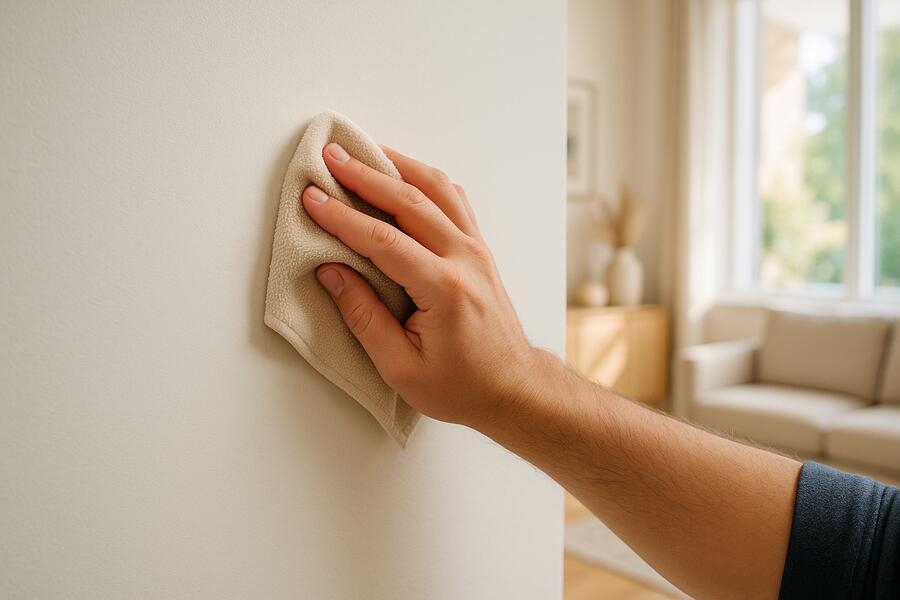
- Dusting: Regularly dust your walls, especially in corners, around baseboards, and in high-traffic areas, using a soft microfiber cloth or a duster with an extendable handle. Monthly dusting helps prevent build-up that can be harder to remove later.
- Spot Cleaning: Address scuffs, marks, and stains immediately. The longer a stain sits, the harder it is to remove without damaging the paint. Use a soft sponge or microfiber cloth dampened with warm water and a tiny drop of mild dish soap. Gently blot and wipe, avoiding aggressive scrubbing, especially on flat or matte finishes.
- Avoid Harsh Cleaners: Harsh chemicals, abrasive scrubbers, bleach, or ammonia-based cleaners can strip paint, fade color, or leave streaks. Stick to mild soap and water for most tasks. For tougher spots, a “magic eraser” can be effective, but use it very gently and sparingly, as it can remove paint if used too aggressively.
Protecting High-Traffic Areas and Vulnerable Surfaces
Certain areas of your home naturally experience more wear. Proactive protection in these zones is key:
- Wall Guards and Bumpers: In hallways, stairwells, or areas where furniture frequently scrapes walls, consider installing clear wall guards or furniture bumpers.
- Appropriate Paint Finishes: When painting, choose the right finish for the room’s function. Higher sheen paints (satin, semi-gloss) are more durable and washable, making them ideal for kitchens, bathrooms, hallways, and kids’ rooms. Flat or matte finishes are elegant but less resistant to scuffs and cleaning, best suited for low-traffic areas like formal living rooms or adult bedrooms.
- Furniture Placement: Avoid pushing furniture directly against walls where possible. If unavoidable, use felt pads on the backs of furniture to prevent scuffs.
💡 Key Takeaway: Match paint finish to room usage: use durable, washable sheens for high-traffic areas and gentler finishes for low-contact spaces. Proactive protection like wall guards can also extend paint life.
Managing Humidity and Ventilation
Moisture is paint’s enemy, especially in certain rooms:
- Kitchens and Bathrooms: These rooms are prone to high humidity, which can lead to mold, mildew, and paint deterioration. Always use exhaust fans during cooking and showering, and ensure these rooms are well-ventilated.
- Consistent Humidity: Maintain consistent indoor humidity levels throughout your home. Extreme fluctuations can cause wood and drywall to expand and contract, leading to cracking in the paint. A humidifier or dehumidifier can help, especially in climates with significant seasonal changes.
Strategic Touch-Ups and Professional Expertise
Even with the best care, minor imperfections can appear. Knowing when and how to touch up makes a difference:
- Keep Leftover Paint: Always save a small amount of leftover paint from your initial job, noting the color name, brand, and finish. This ensures a perfect match for touch-ups. Store paint in a cool, dark place, well-sealed.
- Timely Touch-Ups: Address small chips, scuffs, or nicks promptly. Small touch-ups can prevent minor damage from escalating. Ensure the surface is clean and dry before applying a thin coat of matching paint with a small brush or roller. Blend carefully.
- Know When to Call a Pro: For extensive damage, widespread issues, or if you’re uncomfortable attempting touch-ups yourself, it’s always best to call a professional. They have the expertise and tools to seamlessly blend repairs and ensure a consistent finish. Choosing a reputable contractor like Pro Tech Painting for your initial job also ensures you start with the highest quality application.
| Room Type | Recommended Repaint Frequency | Maintenance Tip |
|---|---|---|
| Kitchens & Bathrooms | 3-5 years | Use exhaust fans, wipe splashes immediately, choose satin/semi-gloss. |
| Hallways & Kids’ Rooms | 3-7 years | Regular dusting, prompt spot cleaning, consider wall guards. |
| Living & Dining Rooms | 5-10 years | Monthly dusting, gentle cleaning, avoid furniture scuffs. |
| Adult Bedrooms/Guest Rooms | 7-10+ years | Minimal cleaning, maintain consistent temperature. |
💡 Key Takeaway: Store leftover paint properly for touch-ups, but recognize when a larger issue requires the seamless blending and expertise of a professional painter.
A fresh interior paint job is a significant investment in your home’s beauty and atmosphere. By adopting these simple yet effective maintenance practices, you can protect that investment, keeping your walls looking vibrant and fresh for years beyond their typical lifespan. Regular care isn’t just about preserving paint; it’s about preserving the feeling of home.
Have questions about how to best maintain your home’s interior paint? Reach out to our team today.
Frequently Asked Questions About Interior Paint Maintenance
How long does interior paint typically last?
On average, interior paint can last anywhere from 3 to 10 years, depending on the room’s traffic, the paint’s quality, and how well it’s maintained. High-traffic areas like kitchens and hallways might need repainting every 3-5 years, while low-traffic rooms like adult bedrooms can last 7-10+ years.
Can I wash my walls immediately after painting?
No, it’s crucial to allow paint to fully cure before washing. While paint may feel dry to the touch in a few hours, it typically takes 2-4 weeks (sometimes longer in high humidity) to fully harden and achieve its maximum durability. Washing too soon can damage the finish, cause streaking, or lift paint.
What’s the best way to store leftover paint for touch-ups?
Store leftover paint in its original can, ensuring the lid is tightly sealed to prevent air exposure. Store it in a cool, dry place away from direct sunlight and extreme temperatures (like a basement or utility closet). For smaller amounts, transfer paint to a smaller, airtight glass jar to minimize air in the container.
What type of paint finish is easiest to clean?
Generally, paints with a higher sheen are more durable and easier to clean. Semi-gloss and satin finishes are excellent choices for areas that require frequent wiping, such as kitchens, bathrooms, and hallways. Flat and matte finishes, while offering a sophisticated look, are more porous and thus harder to clean without affecting the finish.