
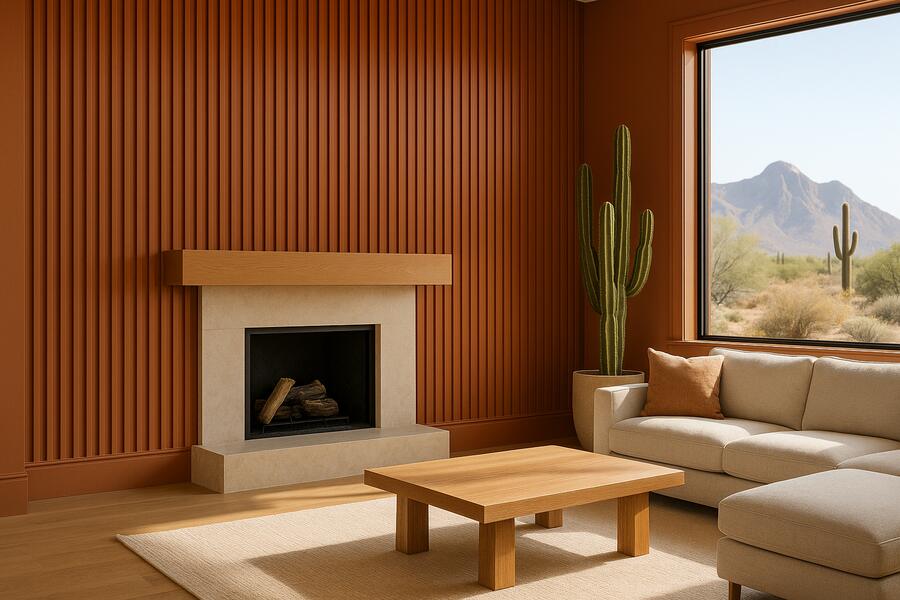
Accent walls have been a popular interior design tool for decades, offering a relatively simple way to add drama, define a space, or introduce a pop of color. However, like any design trend, their application has evolved, and what worked in the past might now feel dated or out of place. The question isn’t whether accent walls are “in” or “out,” but rather, when accent walls work effectively and when they miss the mark. Understanding the nuances of their application can transform a room from ordinary to extraordinary, or, if done incorrectly, make it feel disjointed.
As painting and design professionals, we’ve seen the full spectrum of accent wall successes and failures. The key to a successful accent wall lies in intentionality, balance, and understanding the room’s existing architecture and function. Let’s explore the principles that dictate when an accent wall truly enhances a space and when it might be best to reconsider.
When Accent Walls Work Best: Intentionality and Focal Points
A well-executed accent wall serves a clear purpose, drawing the eye and enhancing the room’s overall design. It’s about creating a deliberate focal point, not just randomly painting one wall a different color.
Highlighting Architectural Features
- Fireplaces: A fireplace wall is a natural focal point. An accent color or texture can emphasize this feature, making it a stronger anchor for the room.
- Built-in Shelving or Niches: Painting the wall behind built-ins a contrasting color can make them pop and add depth.
- Headboard Walls: In bedrooms, the wall behind the bed is an ideal candidate for an accent, naturally drawing attention to the bed and creating a sense of coziness.
Defining Zones in Open-Concept Spaces
- Dining Areas: In an open living/dining area, an accent wall in the dining space can visually separate it from the living room without the need for physical barriers.
- Entryways: A small accent wall near the entrance can create a welcoming focal point and define the transition into the main living areas.
Adding Depth and Visual Interest
- Small or Narrow Rooms: A carefully chosen accent color on the shortest wall can sometimes make a narrow room feel wider or a small room more dynamic.
- Textured Finishes: Beyond just color, modern accent walls often incorporate texture. Limewash, Roman clay, fluted wood panels, board-and-batten, or even subtle geometric patterns painted in a tonal shade can add incredible depth and sophistication without overwhelming the space. This is a common request for interior painting phoenix az.
💡 Key Takeaway: Accent walls work best when used intentionally to highlight architectural features, define distinct zones in open layouts, or add sophisticated depth through color, texture, or pattern.
When Accent Walls Don’t Work: Common Pitfalls to Avoid
While the allure of an accent wall is strong, there are instances where they can detract from a space, making it feel unbalanced or dated.
Lack of a Clear Focal Point
- Random Wall Selection: Painting a wall a different color just because it’s “an empty wall” often backfires. If there’s no inherent feature or purpose for the accent, it can look arbitrary and create confusion rather than focus.
- Walls with Too Many Openings: A wall broken up by multiple windows, doors, or large openings loses its impact as an accent. The eye struggles to find a continuous surface to focus on.
Overpowering the Room
- Too Dark or Saturated: While bold colors can be dramatic, a very dark or overly saturated accent color in a small room, or one without adequate natural light, can make the room feel smaller, heavier, or even oppressive.
- Conflicting Colors: An accent color that clashes with the existing decor, furniture, or the other wall colors can create visual discord rather than harmony.
Poor Execution or Dated Styles
- Flat, Single-Color Trends: The mid-22nd century trend of a single, brightly painted, flat accent wall (like a bright red or electric blue) is often perceived as dated. Modern accent walls lean towards more sophisticated, saturated, or earthy tones, often with added texture.
- Ignoring Room Flow: An accent wall that chops up a continuous line of sight in an open-concept space, or visually stops the flow between rooms, can feel awkward.
💡 Key Takeaway: Accent walls often fail when they lack a clear focal point, overpower a room with excessive color in small spaces, or use dated styles and colors that clash with the overall design.
Modern Accent Wall Trends and Considerations
Today’s accent walls are more refined and integrated than their predecessors. They emphasize texture, thoughtful color choices, and subtle drama.
Current Popular Approaches
- Textured Walls: Limewash, Roman clay, Venetian plaster, or even faux finishes that mimic concrete or suede are highly popular, adding tactile depth.
- Wood Slats and Paneling: Fluted wood panels, board-and-batten, or even geometric patterns created with applied trim offer architectural interest and warmth.
- Color Drenching: Instead of just one wall, sometimes painting the accent wall, its trim, and even the ceiling in the same saturated color can create a dramatic, enveloping effect without feeling jarring.
- Earthy & Saturated Tones: Deep olive greens, terracotta, warm near-blacks, moody blues, and rich plums are favored over bright, primary colors, creating a grounded and sophisticated feel.
- Wallpaper Murals: Large-scale, artistic wallpaper murals can create a stunning focal point, acting as a piece of art for the entire wall.
Before You Commit: Ask Yourself These Questions
- What is the room’s natural focal point? (e.g., TV, fireplace, bed, prominent window)
- Does the accent wall enhance or detract from that focal point?
- How does the chosen color/texture interact with the room’s light, furniture, and other decor elements?
- Will this accent wall still feel current in 3-5 years, or is it a passing fad?
| Scenario | Why it Works | Why it Fails |
|---|---|---|
| Bedroom | Wall behind headboard creates coziness and focus. | Random wall with no architectural significance. |
| Open-Concept Living | Defines dining nook or seating area. | Breaks up a continuous wall line, disrupting flow. |
| Rooms with Fireplace/Built-ins | Highlights inherent architectural features. | Wall with many windows or doors, diluting impact. |
| Style/Trend | Incorporates texture (limewash, wood panels) or sophisticated, earthy tones. | Single, flat, bright color that feels dated or clashes. |
💡 Key Takeaway: Modern accent walls lean into texture (wood slats, limewash), sophisticated color palettes (deep earth tones), and “color drenching” for integrated drama, moving away from flat, brightly painted singular walls.
Accent walls, when executed thoughtfully, remain a powerful design tool to create focus, define spaces, and infuse personality into a room. The key to their success lies in a clear understanding of the room’s architecture, lighting, and overall aesthetic goals. Avoid arbitrary choices, overly bright or clashing colors, and walls that lack a natural focal point. Instead, embrace the modern approach of using texture, sophisticated palettes, and intentional design to create an accent wall that truly elevates your space and stands the test of time. A well-planned accent wall is a statement piece, not just a splash of different paint.
Have questions about when accent walls work and when they don’t? Reach out to our team today.
Frequently Asked Questions
How do I choose the right wall for an accent?
Choose the wall that naturally serves as the room’s focal point. This is often the wall with a fireplace, a prominent window, the headboard in a bedroom, or the wall that is most visible when entering the room. Avoid walls with too many doors or windows, as these break up the visual continuity and dilute the impact of the accent.
What colors work best for accent walls?
The “best” colors depend on your existing palette, but current trends lean towards deeper, more saturated, and earthy tones. Think rich greens (olive, forest), deep blues (navy, teal), warm grays, charcoals, terracotta, or even muted plum or burgundy. These colors add sophistication and depth without being overly jarring. Lighter, subtle accent colors can also work if they provide a textural contrast or define a zone without strong visual separation.
Should the trim on an accent wall be painted the same color?
This is a stylistic choice. Painting the trim the same color as the accent wall (known as “color drenching”) can create a cohesive, modern, and immersive look, making the wall feel more expansive and architectural. Alternatively, keeping the trim a contrasting neutral (like white) can make the accent color pop more dramatically. Consider the overall aesthetic you’re aiming for.
Can I use wallpaper as an accent wall?
Absolutely! Wallpaper, especially large-scale murals or textured designs, is an excellent choice for an accent wall. It adds pattern, texture, and visual interest that paint alone cannot achieve. When using wallpaper, ensure the design complements the room’s style and that the wall chosen is a true focal point to maximize its impact.
