
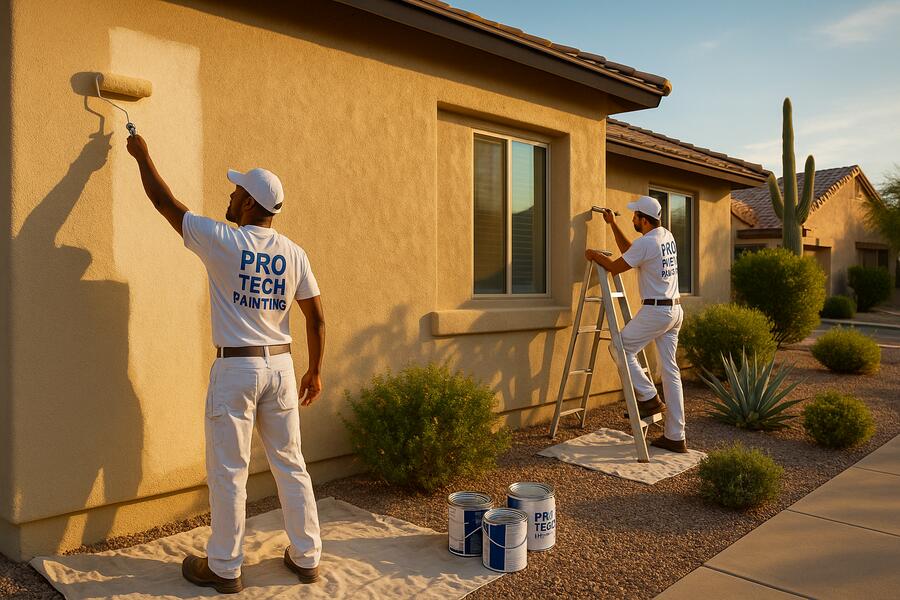
One of the most common questions homeowners ask when considering a refresh for their living space is, “how long a full home repaint takes?” It’s a natural inquiry, as a painting project, whether interior or exterior, means a temporary disruption to daily routines. The truth is, there’s no single answer, as the timeline is influenced by a range of factors that speak to the complexity and scale of the work involved. A professional approach to painting prioritizes quality and efficiency, but never at the expense of a lasting finish.
At Pro Tech Painting, we understand the desire for a quick, yet impeccable, transformation. Our experience with countless projects has taught us the importance of setting realistic expectations. This guide will break down the various elements that contribute to the duration of a full home repaint, helping you understand the process and plan accordingly, whether you’re tackling an interior refresh or a complete exterior overhaul.
💡 Key Takeaway: The duration of a full home repaint varies significantly based on factors like home size, surface condition, paint type, and crew size. A professional approach balances efficiency with meticulous quality, ensuring a lasting finish.
Key Factors Influencing Repaint Timelines
1. Size of the Home and Scope of Work
Naturally, the larger the home, the longer the painting process will take. The scope of what needs painting also plays a huge role:
- Square Footage: This is a primary driver. A 1,500 sq ft home will take significantly less time than a 3,500 sq ft home.
- Number of Rooms/Areas: Painting a whole interior means addressing walls, ceilings, trim, and possibly doors in every room, which adds time compared to just painting walls in a few select areas.
- Exterior vs. Interior: Exterior painting often involves more complex logistics, weather dependency, and larger surface areas. Interior painting benefits from being indoors and less weather-dependent.
- Additional Elements: Painting cabinets, built-ins, extensive trim, or intricate architectural details adds considerable time.
2. Condition of Surfaces and Preparation Needed
Preparation is the foundation of any good paint job and often takes up a significant portion of the total project time:
- Good Condition: Surfaces that are clean, smooth, and largely free of imperfections require minimal prep (light cleaning, scuff sanding, minor patching).
- Fair Condition: Walls with small holes, cracks, minor stains, or some existing peeling paint will require more extensive patching, sanding, and potentially spot priming.
- Poor Condition: Heavily damaged surfaces, extensive peeling paint (requiring scraping and sanding), significant drywall repairs, or severe water stains can add days to the project timeline due to intensive prep work. For any residential painting phoenix az project, understanding the local climate’s impact on surface condition is also key.
💡 Key Takeaway: The size of your home and the scope of the repaint (interior vs. exterior, number of rooms, additional features) are primary time drivers. Critically, the existing condition of surfaces dictates the extent of preparation, which can add substantial time due to necessary repairs and meticulous cleaning before any paint is applied.
Paint Drying, Curing, and Crew Efficiency
3. Paint Type and Drying/Recoat Times
The type of paint used directly impacts the wait time between coats and overall project duration:
- Latex/Acrylic Paints: These are fast-drying, typically dry to the touch in 30-60 minutes and ready for a recoat in 2-4 hours. This allows for multiple coats in a single day.
- Oil-Based Paints: Take much longer to dry, usually 6-8 hours to touch and 24 hours or more before recoating. This significantly extends the project timeline, especially for multi-coat applications.
- Full Cure Time: While paint may be dry to the touch, it takes weeks (2-4 weeks for latex, 7-30 days for oil-based) to fully cure and reach maximum hardness. This isn’t part of the painting timeline but is important for homeowner awareness regarding heavy use of painted surfaces.
4. Number of Coats and Color Changes
Most professional repaints involve multiple layers:
- Standard Coats: A quality paint job typically requires two finish coats over a properly prepared and primed surface for optimal color depth, uniformity, and durability.
- Primer: If surfaces are unpainted, stained, or undergoing a drastic color change, a coat of primer will be needed, adding to the layers and drying time.
- Dark to Light/Drastic Color Changes: Switching from a dark color to a light one, or choosing a vibrant, saturated hue, often necessitates an extra coat or two for complete coverage and true color representation.
- Multiple Colors: Painting different colors in adjacent rooms or on intricate trim requires additional masking and cutting-in time.
5. Crew Size and Professional Efficiency
The size and skill of the painting crew significantly affect the timeline:
- Larger Crews, Faster Completion: A well-coordinated team of 3-4 professional painters can complete a project much faster than a solo painter or a smaller crew, especially for larger homes.
- Efficiency: Experienced crews work systematically, minimizing downtime and maximizing productivity through organized setup, painting, and cleanup processes.
- Occupied vs. Empty Home: Painting an occupied home requires more time for furniture moving, masking, and working around personal belongings, compared to an empty property.
| Home Size (Typical) | Interior Repaint (Crew of 2-3) | Exterior Repaint (Crew of 2-3) |
|---|---|---|
| Small (Up to 1,500 sq ft) | 2-4 days | 3-5 days |
| Medium (1,500-2,500 sq ft) | 3-6 days | 5-8 days |
| Large (2,500-3,500 sq ft) | 5-8 days | 7-10 days |
| Very Large (3,500+ sq ft) | 7-10+ days | 10-14+ days |
*These are approximate timelines for professional repaints under ideal conditions, including proper prep, two finish coats, and average architectural complexity. Actual times may vary.
💡 Key Takeaway: Paint type significantly affects drying and recoat times, with latex allowing faster multi-coat application than oil-based paints. The number of coats (primer + finish coats) and color changes also add to the timeline. A larger, efficient professional crew can significantly expedite project completion, though working in an occupied home requires more time.
Ultimately, the duration of a full home repaint is a balance between thorough preparation, quality materials, and skilled execution. While it’s tempting to rush, allowing adequate time for each step ensures a beautiful, durable finish that will stand the test of time. A professional painting contractor will provide a detailed timeline upfront, factoring in all these variables to give you a clear expectation of your project’s duration. Investing in a professional repaint is an investment in your home’s longevity and curb appeal.
Have questions about how to scheduling commercial painting around business hours? Reach out to our team today.
Frequently Asked Questions About Repainting Timelines
Does the weather affect interior painting timelines?
While interior painting is less weather-dependent than exterior work, extreme humidity or very cold temperatures can extend drying and curing times. Good ventilation (fans, open windows) helps in most conditions, but professional painters will adjust schedules or techniques to ensure optimal results under varying environmental factors.
Can I stay in my house while interior painting is happening?
Yes, for most interior painting projects, you can typically remain in your home. Professional painters will work efficiently, contain their work areas, and use low-VOC (Volatile Organic Compound) paints to minimize disruption and odors. However, expect some temporary inconvenience, especially if large sections of your home are being painted, requiring furniture to be moved or access restricted to certain areas.
Why does exterior painting often take longer than interior painting for a similarly sized home?
Exterior painting typically involves more extensive and demanding preparation, such as power washing, scraping loose paint, repairing siding, and often more intricate masking of windows and landscaping. It’s also highly dependent on weather conditions (temperature, humidity, rain, wind), which can cause delays. Additionally, working at height often requires more time for setup, ladder movement, and safety protocols.
Is “dry to the touch” the same as “fully cured”?
No, they are different stages. “Dry to the touch” means the surface is no longer wet and can be lightly handled without paint coming off, usually within hours. “Fully cured” means the paint film has hardened completely, reaching its maximum durability and washability, which can take anywhere from 7 to 30 days (or even longer for some specialized coatings), depending on the paint type and environmental conditions. It’s important to be gentle with newly painted surfaces until they are fully cured.
