
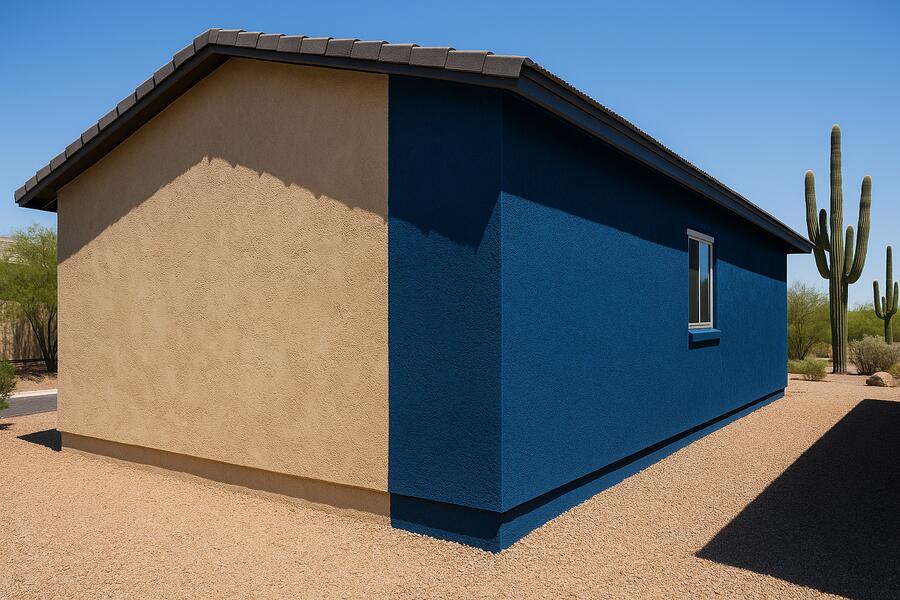
As experienced painting contractors, one of the most common questions we hear is, “How long should a paint job last?” It’s a fair question, and the answer isn’t always a simple number. A professional paint job is an investment, and its longevity depends on a multitude of factors, from the quality of the materials used to the expertise of the application and the environmental conditions it faces. Understanding these elements is key to setting realistic expectations and ensuring your paint finish stands the test of time.
💡 Key Takeaway: A professional paint job’s lifespan is a blend of quality materials, expert application, and proper maintenance, not just a fixed duration.
Understanding Paint Lifespan: More Than Just a Coat
When you invest in professional painting, you’re not just paying for a fresh color; you’re paying for durability, protection, and lasting aesthetic appeal. The difference between a DIY job and a professional one often boils down to how long that fresh look endures. We often see paint failures prematurely due to skipped prep steps or inadequate product selection, highlighting why expertise matters.
Factors Influencing Paint Longevity
Several critical elements contribute to how long your paint job will truly last. Ignoring any of these can drastically shorten its lifespan.
Surface Preparation
This is arguably the most crucial step. A paint job is only as good as what’s underneath it. Proper preparation involves:
- Cleaning: Removing dirt, grease, mold, and mildew.
- Sanding: Creating a smooth, even surface and providing “tooth” for paint adhesion.
- Repairs: Patching holes, cracks, and fixing any substrate damage.
- Priming: Sealing porous surfaces, blocking stains, and ensuring uniform topcoat adhesion. Skimping on primer, especially on new drywall or heavily stained surfaces, is a common mistake that leads to early failure.
Quality of Materials
Not all paints are created equal. Professional painters select products based on the specific application, surface, and desired durability. Premium paints contain higher quality binders and pigments, offering better adhesion, scrub resistance, color retention, and protection against the elements. Using the right type of paint (e.g., acrylic latex for exteriors, scrubbable enamel for high-traffic interiors) is fundamental.
Application Expertise
Even the best paint won’t perform if applied incorrectly. Professionals understand:
- Temperature and Humidity: Applying paint within manufacturer-recommended conditions to ensure proper drying and curing.
- Proper Coats: Applying the correct number of coats at the right thickness, allowing adequate drying time between each.
- Technique: Achieving an even finish without streaks, drips, or holidays (missed spots).
Environmental Exposure
The environment plays a significant role in wear and tear:
- Interior: High-traffic areas (hallways, kitchens, kids’ rooms) will show wear faster than low-traffic spaces (adult bedrooms, dining rooms). Moisture-prone areas like bathrooms and kitchens also demand specific paint types to resist mildew and humidity.
- Exterior: UV radiation, extreme temperatures, rain, humidity, and even strong winds constantly assault exterior paint. In hot, dry climates, paint can chalk and fade, while in humid areas, mildew can be a persistent issue.
Maintenance
Just like any other investment, paint needs a little care. Regular, gentle cleaning, timely touch-ups for minor scuffs or chips, and addressing underlying issues like water leaks or mildew growth can significantly extend a paint job’s life.
💡 Key Takeaway: Quality preparation and materials, combined with expert application, are the bedrock of a long-lasting paint finish.
Expected Lifespan: Interior vs. Exterior
While there’s no single definitive answer, we can provide general guidelines based on years of experience and industry standards. For homeowners looking into general services like painting house near me, these timelines offer a good starting point.
Interior Paint Lifespan
Interior paint generally lasts longer than exterior paint due to less exposure to harsh elements. However, usage patterns vary:
| Interior Surface | Average Lifespan (Years) | Notes |
|---|---|---|
| Low-Traffic Areas (Bedrooms, Dining Rooms) | 7-10+ years | Often repainted for aesthetic preference before paint failure. |
| High-Traffic Areas (Hallways, Family Rooms) | 5-7 years | More prone to scuffs, fingerprints, and minor damage. |
| Kitchens & Bathrooms | 3-5 years | Subject to moisture, steam, and grease, requiring specific paint types. |
| Ceilings | 10+ years | Least amount of contact/wear; often last until a major refresh. |
| Trim & Doors | 5-8 years | More frequent contact can lead to chips and scuffs. |
Exterior Paint Lifespan
Exterior paint faces a tougher battle against the elements. Its lifespan is highly dependent on climate, substrate, and the quality of the paint system.
- Wood Siding: 5-7 years in harsh climates, up to 10 years in milder conditions. Wood expands and contracts, which can stress the paint film.
- Stucco/Masonry: 5-10 years, sometimes longer. These porous surfaces require proper sealing and breathable paint to prevent moisture issues.
- Aluminum/Vinyl Siding: 5-10 years. While the siding itself is durable, the paint can fade or chalk over time.
- Trim & Fascia: 4-7 years. Often exposed to more direct sunlight and weather than main siding, and prone to rot if not maintained.
💡 Key Takeaway: High-traffic interior areas and exteriors exposed to harsh weather generally require more frequent repainting.
Signs It’s Time for a Repaint
Beyond the general timelines, your paint itself will tell you when it’s ready for a refresh. Keep an eye out for these common indicators:
- Fading: Especially noticeable on exteriors or interior walls that receive direct sunlight. Colors lose their vibrancy.
- Chalking: When the paint binder breaks down, leaving a powdery residue on the surface (common on older exterior paints).
- Cracking or Peeling: Clear signs of adhesion failure, often due to poor surface preparation, moisture issues, or old age.
- Blistering: Bubbles forming under the paint film, usually caused by moisture trying to escape from the substrate.
- Mildew/Mold: Dark spots or streaks, particularly in humid interior areas or shaded exterior spots.
- Excessive Scuffs & Dings: While small touch-ups can help, widespread damage indicates the paint is past its prime.
- Simply Dated: Sometimes the paint is still functional, but the color or finish no longer suits your aesthetic preferences.
Maximizing Your Paint Job’s Durability
To ensure your paint job lasts as long as possible, consider these proactive steps:
- Hire Professionals: Their experience in surface preparation, product selection, and application technique is invaluable.
- Choose Quality Materials: Invest in premium paints and primers designed for your specific surfaces and environmental conditions.
- Regular Cleaning: Gently wash interior walls and periodically clean exterior surfaces to remove dirt, grime, and mildew.
- Address Issues Promptly: Fix leaks, seal cracks, and touch up minor damage as soon as it appears to prevent larger problems.
- Proper Ventilation: In bathrooms and kitchens, good ventilation helps reduce moisture buildup that can degrade paint.
💡 Key Takeaway: Watch for signs of wear like fading or peeling, and regular maintenance can significantly extend your paint’s life.
Have questions about how long a professional paint job should last? Reach out to our team today.
Frequently Asked Questions About Paint Lifespan
How does climate affect exterior paint longevity?
Extreme temperatures, high humidity, frequent rain, and intense UV exposure all accelerate the breakdown of exterior paint. In regions with harsh sun and temperature fluctuations, paint jobs may last closer to the lower end of the average range (5-7 years), while milder climates might see them last 10 years or more.
Is it worth paying more for premium paint?
Absolutely. Premium paints typically contain higher quality resins and pigments, providing better coverage, adhesion, durability, and color retention. While the upfront cost is higher, they often last longer and offer better protection, reducing the frequency and cost of repainting in the long run.
Can I extend my paint job’s life with touch-ups?
Yes, minor touch-ups can certainly help, especially for small scuffs or chips in high-traffic areas. However, for widespread fading, cracking, or peeling, a full repaint is usually necessary to ensure uniform appearance and lasting protection. It’s best to use the original paint for touch-ups to ensure color matching.
What is the most important factor for paint longevity?
While many factors contribute, proper surface preparation is often cited as the single most important factor. Even the highest quality paint will fail prematurely if applied to a dirty, uneven, or improperly primed surface.
