
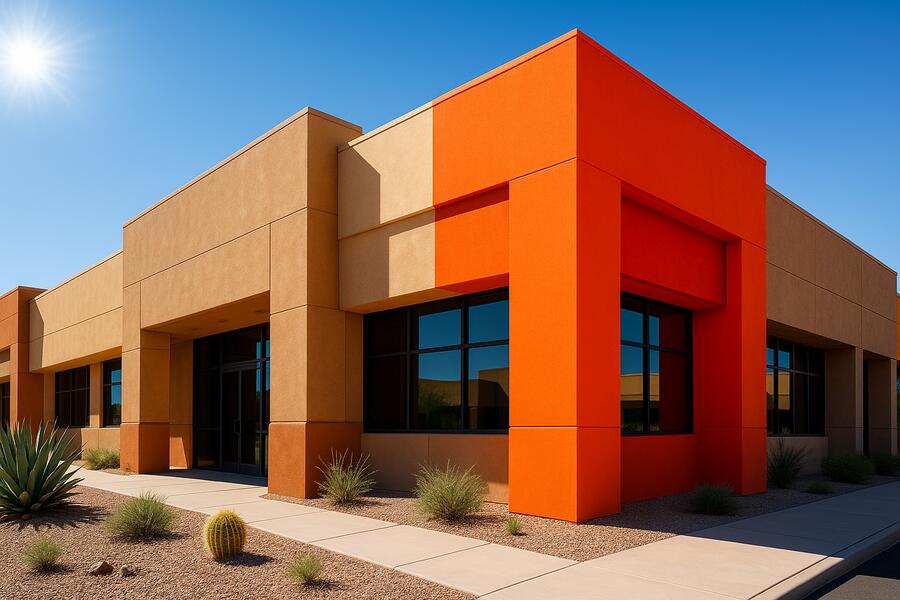
Maintaining a professional and appealing appearance is paramount for any commercial property. The condition of your building’s paint plays a significant role in first impressions, tenant satisfaction, and even property value. However, one common question for property managers and business owners is: “How often should commercial properties repaint to maintain optimal condition and curb appeal?” The answer isn’t a simple fixed number; rather, it depends on a combination of factors, each contributing to the lifespan of a paint job. Understanding these variables is key to budgeting effectively and planning a proactive maintenance schedule.
As experienced commercial painting contractors, we emphasize that regular repainting is not just about aesthetics; it’s a vital part of protecting your investment from environmental damage and wear. Let’s delve into the specifics of how often commercial properties should budget for repainting, both interior and exterior.
Exterior Repainting Cycles: A Strategic Approach
The exterior of a commercial building is constantly exposed to the elements, making its paint job a first line of defense against weather, UV radiation, and pollution. The lifespan of exterior paint can vary significantly.
Key Factors Influencing Exterior Lifespan
- Climate and Environmental Exposure: Properties in harsh climates with extreme temperatures, intense UV exposure, or heavy rainfall will generally require more frequent repainting. For instance, areas with hot, dry climates can experience faster paint degradation due to sun exposure and temperature fluctuations, while coastal properties battle salt spray.
- Substrate Type: The material being painted greatly impacts durability.
- Stucco/Masonry: 10-20 years (depending on quality and climate, with modern breathable coatings lasting longer).
- Fiber Cement (Hardie Board): 10-15 years (factory-painted versions can last even longer).
- Wood Siding/Trim: 5-7 years for paint, 4-6 for stain, often requiring more frequent attention due to natural expansion and contraction.
- Aluminum Siding: 5-10 years.
- Painted Brick: 8-15 years.
- Paint Quality and Application: High-quality, commercial-grade paints and primers, applied correctly by experienced professionals, will always outperform cheaper materials or rushed jobs. Two proper coats are standard.
- Previous Preparation: Thorough surface preparation (cleaning, scraping, sanding, priming) is foundational. Poor prep leads to premature paint failure, regardless of paint quality.
As a general guideline, most commercial exteriors benefit from a full repaint every 5 to 10 years. However, annual inspections and seasonal touch-ups can significantly extend the life of a full repaint cycle.
💡 Key Takeaway: Commercial exterior paint typically lasts 5-10 years, heavily influenced by climate, substrate material, paint quality, and meticulous surface preparation. Annual inspections and spot touch-ups can extend this interval.
Interior Repainting Cycles: Based on Traffic and Function
Interior commercial spaces endure different types of wear compared to exteriors, primarily foot traffic, scuffs, and impacts. Therefore, repainting intervals vary by area and its specific use.
High-Traffic Areas
- Lobbies, Hallways, Reception Areas, Restrooms, Stairwells: These areas experience constant interaction, leading to more frequent scuffs, marks, and wear. They often require repainting every 2-3 years, and sometimes annual touch-ups for doors and trim.
- Retail Spaces: The need for frequent refreshing in retail depends on brand image and traffic. High-end boutiques might repaint annually, while others might stretch to 3-5 years.
Moderate-Traffic Areas
- General Offices, Conference Rooms, Private Offices: These spaces generally see less direct abuse. A repaint cycle of 3-5 years is often sufficient to maintain a fresh and professional environment.
Low-Traffic Areas
- Storage Rooms, Seldom-Used Breakrooms: In these less-visible or less-used spaces, paint can often last 5-7 years, or even longer, before needing a refresh.
The choice of interior paint also matters; higher-sheen paints (satin, semi-gloss) are more durable and washable, making them ideal for high-traffic zones, potentially extending the repaint cycle slightly compared to flat finishes.
💡 Key Takeaway: Interior repaint cycles are dictated by traffic. High-traffic areas need repainting every 2-3 years, moderate traffic every 3-5 years, and low-traffic areas can go 5-7 years or more.
Developing a Proactive Painting Maintenance Plan
Instead of waiting for visible signs of deterioration, a proactive approach to painting maintenance is always more cost-effective and beneficial for your commercial property.
Regular Inspections and Touch-Ups
- Annual or Bi-Annual Inspections: Schedule regular walk-throughs to identify minor issues early.
- Seasonal Touch-Ups: Address small scuffs, chips, or faded spots before they escalate into larger problems requiring a full repaint. This extends the life of your major paint investments.
Budgeting for the Long Term
Understanding these repaint cycles allows property managers to integrate painting costs into their annual or multi-year budgets. This prevents sudden, large expenditures and ensures funds are allocated appropriately for maintaining property appearance and protection. For comprehensive solutions, consider partnering with a trusted provider of commercial painting phoenix az.
| Area Type | Typical Repaint Cycle | Key Influencers |
|---|---|---|
| Exterior | 5 – 10 years | Climate, substrate, paint quality, prep. |
| Interior (High Traffic: Lobbies, Hallways) | 2 – 3 years | Foot traffic, scuffs, impacts. |
| Interior (Moderate Traffic: Offices, Conference Rms) | 3 – 5 years | General use, aesthetic preference. |
| Interior (Low Traffic: Storage, Seldom-Used Rooms) | 5 – 7+ years | Minimal use, less wear and tear. |
💡 Key Takeaway: A proactive maintenance plan, incorporating regular inspections and budgeting for cyclical repaints, ensures consistent aesthetic appeal and long-term protection for your commercial property.
Understanding how often commercial properties should budget for repainting is critical for effective property management and maintaining a positive business image. By considering the unique demands of both interior and exterior surfaces, factoring in environmental conditions, and prioritizing quality materials and professional application, you can develop a painting maintenance schedule that optimizes both appearance and durability, ultimately protecting your investment for years to come.
Have questions about how often commercial properties should budget for repainting? Reach out to our team today.
Frequently Asked Questions
What are the signs that a commercial property needs repainting?
Key signs include exterior paint fading, cracking, blistering, or peeling; interior walls showing excessive scuffs, marks, or chipping; a general dullness or outdated appearance; and the presence of mildew or algae on exterior surfaces. If you notice these issues, it’s time for an assessment.
Does a high-quality paint job always last longer?
Yes, almost invariably. High-quality paints contain superior resins and pigments that offer better adhesion, flexibility, UV resistance, and durability. When applied correctly by experienced professionals over properly prepared surfaces, premium paints can significantly extend the lifespan of a commercial paint job compared to cheaper alternatives.
Can I just do touch-ups instead of a full repaint?
Touch-ups are excellent for extending the life of a full repaint and maintaining appearance between cycles. However, they are not a substitute for a full repaint when the existing paint film has degraded significantly. Old paint can become brittle, lose its adhesion, and fail to protect the substrate, at which point a full, proper repaint with thorough preparation is necessary.
How does climate specifically impact exterior paint in hot, dry regions?
In hot, dry regions, intense UV radiation is a primary factor. UV rays break down paint binders, causing colors to fade and the paint film to become brittle, leading to chalking, cracking, and peeling. Extreme temperature fluctuations can also cause the substrate to expand and contract, stressing the paint film and leading to premature failure. Using high-quality elastomeric or 100% acrylic paints with excellent UV resistance is crucial in such environments.
