
The question of how often property owners should repaint is one that frequently comes up in conversations about home maintenance and curb appeal. There’s no single, universal answer, as the lifespan of a paint job, both interior and exterior, is influenced by a multitude of factors. From the type of surface and the quality of paint used to local climate conditions and daily wear and tear, each element plays a role in determining when it’s time for a fresh coat. Understanding these variables can help property owners budget, plan, and ensure their investment remains protected and visually appealing.
As experienced painting professionals, we’ve seen paint jobs endure for decades and others fail prematurely. The key is to be proactive, recognize the signs of wear, and understand the general guidelines that apply to different areas of your property. Neglecting timely repainting can lead to more than just aesthetic deterioration; it can expose your home to moisture damage, structural issues, and ultimately, more expensive repairs down the line. Let’s delve into the specifics of repaint cycles for various areas and materials.
Exterior Repainting: Factors Influencing Longevity
The exterior of your property takes the brunt of environmental exposure, making its repaint cycle a critical consideration.
Material Type and Its Impact
- Wood Siding: Wood expands and contracts with moisture and temperature changes, making it more prone to cracking and peeling. It typically requires repainting every 3-7 years.
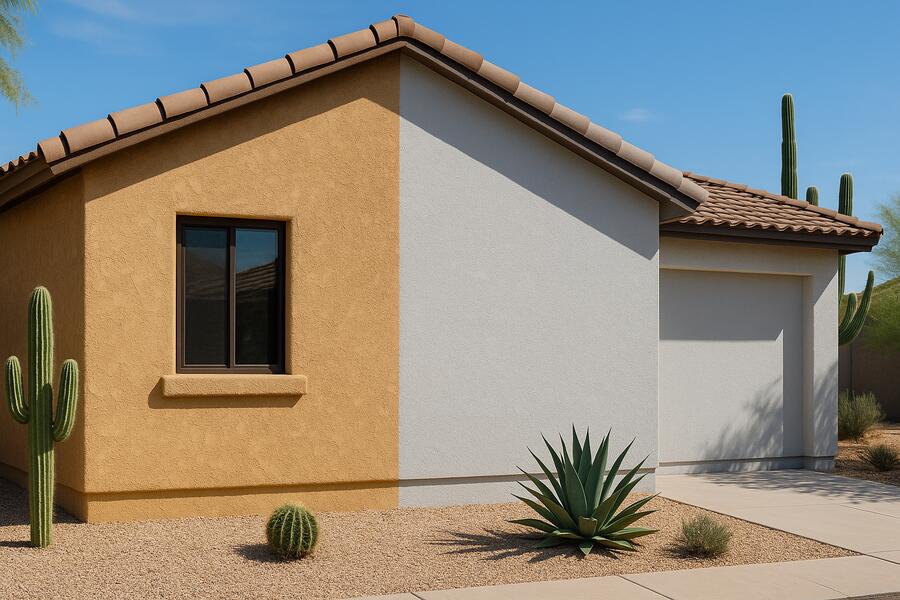
- Stucco: Generally more durable than wood, stucco can last longer, often needing repainting every 5-10 years. However, hairline cracks or moisture issues can accelerate this timeline.
- Fiber Cement Siding: Known for its stability, fiber cement holds paint exceptionally well, extending repaint intervals to 10-15 years, sometimes even longer with proper preparation.
- Brick (Painted): If brick has been previously painted, it might last 10-15 years, assuming the initial preparation and paint quality were excellent. Unpainted brick typically doesn’t need repainting but may benefit from cleaning.
- Vinyl or Aluminum Siding: These materials are color-infused, so they don’t necessarily “need” repainting for protection as frequently. However, fading can become an aesthetic issue after 10-15 years, prompting a repaint to refresh the color.
Climate and Environmental Stressors
- Sun Exposure: Intense UV radiation, especially in hot, dry climates, breaks down paint binders and pigments, leading to fading, chalking, and cracking. South and west-facing walls typically deteriorate fastest.
- Humidity and Rain: High humidity and frequent rain can lead to moisture absorption, blistering, and peeling, shortening paint life.
- Temperature Fluctuations: Extreme swings in temperature cause surfaces to expand and contract, stressing the paint film and potentially leading to cracks.
- Coastal Environments: Salt air can be corrosive and accelerate paint degradation.
💡 Key Takeaway: Exterior repaint cycles vary significantly by material (wood 3-7 years, stucco 5-10, fiber cement 10-15) and are heavily influenced by climate factors like UV exposure, humidity, and temperature fluctuations.
Interior Repainting: Balancing Aesthetics and Wear
Interior paint jobs generally last longer than exterior ones due to less exposure to harsh elements, but wear and tear still dictate repaint frequency.
Room Function and Traffic Levels
- High-Traffic Areas (Hallways, Entryways, Kids’ Rooms): These spaces see frequent contact, scuffs, and dirt, often requiring repainting every 3-4 years to maintain a fresh look.
- Kitchens and Bathrooms: Humidity, grease, splashes, and frequent cleaning break down paint faster. Expect to repaint these areas every 3-5 years. Choosing washable, durable paints (like satin or semi-gloss) can extend this.
- Living Rooms and Dining Rooms: These areas typically experience moderate traffic and less direct abuse. Repainting every 5-7 years is a common guideline, or sooner if styles change.
- Bedrooms (Adult & Guest): Low-traffic bedrooms can often go 7-10 years or even longer before needing a refresh, as long as the color remains appealing and the walls are in good condition.
Quality of Paint and Application
Just like exteriors, the quality of interior paint and the thoroughness of surface preparation play a huge role. Premium paints offer better washability, durability, and color retention, extending the time between repaints. Proper priming and surface preparation ensure optimal adhesion and a longer-lasting finish.
💡 Key Takeaway: Interior repaint intervals are largely driven by room function and traffic (3-5 years for high-traffic/high-moisture areas, 5-10+ years for low-traffic bedrooms), with paint quality and application significantly impacting longevity.
Signs It’s Time to Repaint (Beyond the Calendar)
While general timelines are helpful, the most accurate indicator of when to repaint is often visual inspection.
Key Visual Indicators for Exterior
- Fading: Colors appear dull, washed out, or uneven.
- Chalking: A powdery residue comes off when you rub the surface, indicating binder breakdown.
- Cracking or Peeling: Obvious cracks, flakes, or areas where paint is lifting from the surface. This can expose the substrate to moisture.
- Mildew/Mold: Persistent growth, especially in damp, shaded areas, suggests the paint’s protective qualities are failing.
- Wood Rot or Damage: Indicates the paint is no longer adequately protecting the underlying material.
Key Visual Indicators for Interior
- Scuffs, Marks, and Dings: Especially prevalent in high-traffic zones, these accumulate and make walls look dirty.
- Fading: Sun-exposed areas near windows can fade, leading to uneven color.
- Cracking or Flaking: Less common indoors, but can indicate underlying moisture issues or poor initial preparation.
- Stains: Stubborn stains that won’t clean off, particularly in kitchens or bathrooms.
- Outdated Style: Sometimes, the paint itself is fine, but the color simply no longer suits your aesthetic or current trends.
When you spot these signs, it’s time to consider consulting a professional painting company to assess the condition and discuss your options.
| Area/Surface | Typical Repaint Interval | Key Factors Influencing |
|---|---|---|
| Exterior (Wood) | 3-7 years | Material movement, sun, moisture |
| Exterior (Stucco/Fiber Cement) | 5-15 years | Material stability, climate, quality |
| Interior (High-Traffic/Moisture) | 3-5 years | Scuffs, dirt, humidity, cleaning |
| Interior (Low-Traffic) | 7-10+ years | Aesthetics, minimal wear |
💡 Key Takeaway: Beyond calendar timelines, visual cues like fading, chalking, cracking, peeling, persistent stains, or simply an outdated look are definitive indicators that it’s time to repaint both interior and exterior surfaces.
Ultimately, how often property owners should repaint is a dynamic question with answers rooted in the specifics of your property, your local environment, and your personal standards for appearance and protection. While general guidelines provide a useful framework, regular inspection and a keen eye for the signs of wear are your best tools. By understanding these factors and proactively addressing deterioration, you can ensure your property remains beautiful, protected, and valuable for years to come. Don’t wait until the damage is severe; a timely repaint is often the most cost-effective long-term solution.
Have questions about how often property owners should repaint? Reach out to our team today.
Frequently Asked Questions
What is the difference between touch-ups and repainting?
Touch-ups involve applying a small amount of matching paint to cover minor scuffs, chips, or marks without painting the entire wall or surface. This works best when you have the exact same paint and the existing paint isn’t too faded. Repainting, on the other hand, involves applying a fresh coat (or two) to the entire surface, providing a uniform, renewed finish and offering full protection once more.
Can I extend the life of my paint job?
Yes, several practices can extend paint life: using high-quality paints and primers, ensuring meticulous surface preparation, maintaining good drainage around your property, regularly cleaning exterior surfaces, and addressing small damages or mildew growth promptly. For interiors, choosing durable, washable paints in high-traffic areas and cleaning gently can help.
Does the quality of paint really make a difference in longevity?
Absolutely. High-quality paints contain better pigments, binders, and additives that provide superior adhesion, durability, color retention, and resistance to fading, cracking, and mildew. While they might cost more upfront, they often save money in the long run by significantly extending the repaint cycle and requiring less maintenance.
Should I wait for visible damage before repainting my exterior?
It’s generally not advisable to wait for significant visible damage (like widespread peeling or cracking) before repainting your exterior. By then, your underlying substrate (wood, stucco, etc.) may already be exposed to moisture and the elements, potentially leading to more costly repairs. Proactive repainting when signs of fading or minor chalking appear is a better strategy for continuous protection and aesthetic appeal.
