
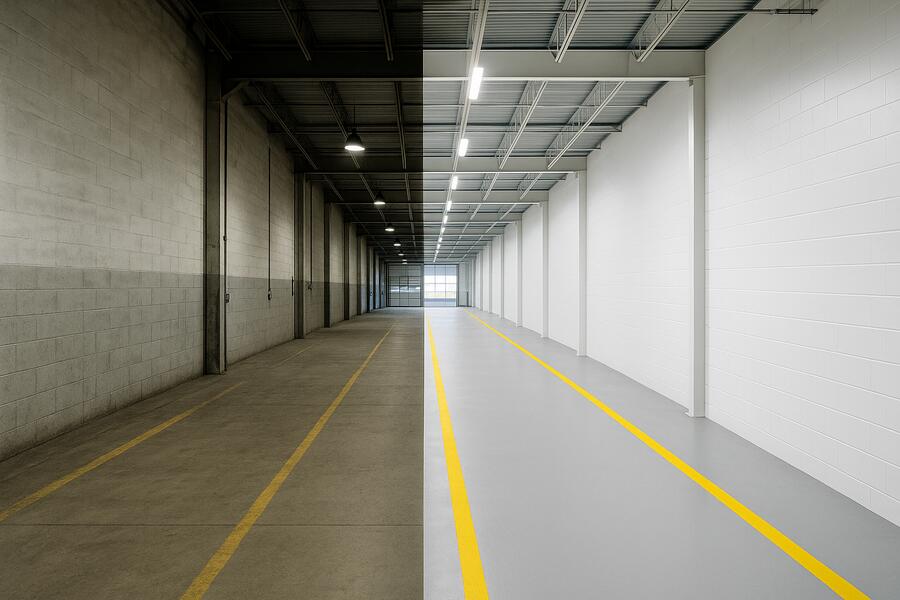
For warehouse managers and property owners, determining how often warehouse interiors should be repainted is a critical decision that balances aesthetics, protection, and operational efficiency. Unlike residential properties, warehouses endure unique stressors—from constant forklift traffic and heavy machinery to dust, chemicals, and varying temperatures. A timely repaint isn’t merely about refreshing the look; it’s a vital part of maintaining the facility’s integrity, ensuring safety, and optimizing workflow. Neglecting interior painting can lead to accelerated deterioration of surfaces, reduced visibility for safety markings, and a less productive environment.
Our extensive experience in industrial painting has taught us that the repaint cycle for warehouse interiors is highly dependent on several key factors. There’s no one-size-fits-all answer, but understanding these variables allows for strategic planning and budgeting. This guide will help you pinpoint the ideal repaint frequency for your specific warehouse interior, ensuring your investment enhances both the longevity and functionality of your facility.
Factors Influencing Warehouse Interior Repaint Cycles
The lifespan of a paint job in a warehouse interior is significantly impacted by the daily operations and environmental conditions within the facility.
Level of Activity and Traffic
- High-Traffic Areas: Sections exposed to frequent movement of forklifts, pallet jacks, and heavy foot traffic (e.g., loading docks, main aisles, production zones) will experience more scuffs, impacts, and abrasions. These areas show wear much faster than low-traffic zones.
- Impact and Abrasion: Walls, columns, and equipment near operational areas are constantly at risk of bumps and scrapes, leading to paint chips and damage.
- Dust and Dirt Accumulation: Industrial environments often generate significant dust, dirt, and debris, which can embed into porous paint surfaces or make them appear soiled more quickly, necessitating more frequent cleaning or repainting.
Environmental Conditions
- Temperature and Humidity Fluctuations: Large temperature swings can cause surfaces to expand and contract, leading to paint cracking or peeling. High humidity can contribute to mold and mildew growth, especially in areas with poor ventilation.
- Chemical Exposure: Warehouses storing or handling chemicals may expose painted surfaces to fumes or spills that degrade standard paints rapidly. Specialized chemical-resistant coatings are essential in these zones, but even they have a lifespan.
- Light Exposure: While less intense than exterior sun exposure, strong interior lighting (including natural light through skylights) can still contribute to fading over time, particularly with certain paint colors.
Type and Quality of Existing Coatings
- Standard Commercial Paints: Basic acrylic or latex paints, while suitable for low-impact areas, will not withstand the harsh conditions of a busy warehouse for long. Their lifespan will be on the lower end of the spectrum.
- Industrial-Grade Coatings: Epoxies, urethanes, and other high-performance industrial coatings are designed for durability, chemical resistance, and abrasion resistance. They offer significantly longer service lives, often multiple times that of standard paints.
- Surface Preparation: The longevity of any paint job, regardless of paint quality, hinges on meticulous surface preparation. Poor prep leads to premature peeling, blistering, and failure.
💡 Key Takeaway: Warehouse interior repaint cycles are primarily driven by the level of operational activity, exposure to environmental stressors (temperature, humidity, chemicals, dust), and the type and quality of the applied paint, with high-performance coatings and proper prep yielding longer lifespans.
Typical Repaint Frequencies for Warehouse Interiors
Based on the factors above, here are general guidelines for how often warehouse interiors should be repainted.
General Warehouse Walls and Ceilings
- Low-Impact Zones (Standard Coatings): For general storage areas, less critical zones, or facilities with lighter operations where standard commercial-grade acrylics are used, walls and ceilings may require repainting every 3-5 years. This interval primarily addresses general wear, dust accumulation, and maintaining a clean appearance.
- High-Impact Zones (Industrial Coatings): In areas with moderate to heavy traffic, or where durable industrial-grade paints like two-part epoxies or urethanes have been applied, walls and ceilings can often last 7-12 years between major repaints. These coatings offer superior protection against abrasions and chemical exposure.
High-Wear Zones and Specialized Areas
- Loading Docks, Production Floors, Restrooms & Breakrooms: These areas experience intensive use, frequent cleaning, and often more exposure to moisture or specific contaminants. Repainting may be needed every 3-5 years, or even sooner for spot repairs and touch-ups, particularly in restrooms and breakrooms where cleanliness is paramount.
- Interior Line Striping and Floor Markings: Safety lines, aisle markers, and other floor markings are subjected to constant vehicular and foot traffic. Depending on the coating type (e.g., standard floor paint vs. industrial epoxy) and traffic volume, these typically require reapplication every 1-3 years. Regular inspection is key to maintaining clear, visible safety signals.
When planning for these intervals, consulting with experienced warehouse painting contractors phoenix az is highly recommended. They can assess your specific environment and recommend the optimal schedule and coating types.
💡 Key Takeaway: General warehouse walls and ceilings with standard coatings may need repainting every 3-5 years, extending to 7-12 years with industrial-grade systems. High-wear areas and floor markings typically require more frequent attention, often every 1-5 years.
The Benefits of Proactive Warehouse Repainting
Viewing interior repainting as a proactive maintenance strategy offers significant advantages beyond just a fresh look.
Enhanced Safety and Compliance
- Improved Visibility: Fresh, vibrant paint enhances lighting conditions and makes safety markings (aisle lines, pedestrian walkways, emergency exit paths) more visible, significantly reducing the risk of accidents.
- OSHA Compliance: Clear and well-maintained safety lines are often an OSHA requirement. Timely repainting helps ensure ongoing compliance.
- Cleaner Environment: Smooth, well-painted surfaces are easier to clean and sanitize, contributing to a healthier and safer working environment, especially crucial in food-grade or sensitive manufacturing facilities.
Asset Protection and Longevity
- Substrate Protection: Paint acts as a protective barrier, shielding walls, ceilings, and structural components from moisture, corrosion, chemical degradation, and physical wear. Regular repainting prevents minor issues from escalating into costly structural repairs.
- Extended Building Life: By protecting the underlying materials, a consistent painting regimen contributes to the overall longevity of the warehouse structure.
Improved Operational Efficiency and Morale
- Brighter Workspaces: Lighter, reflective paint colors can significantly improve ambient lighting, reducing the need for artificial light and decreasing energy costs. Better visibility also aids in task performance and reduces eye strain.
- Boosted Employee Morale: A clean, well-maintained, and brightly lit workspace can positively impact employee morale, productivity, and a sense of pride in their work environment.
- Positive Impression: For clients, investors, or regulatory bodies visiting your facility, a well-kept interior reflects professionalism and attention to detail.
| Warehouse Area | Coating Type | Typical Repaint Interval | Key Factors |
|---|---|---|---|
| General Walls/Ceilings | Standard Commercial | 3-5 years | Light traffic, general wear, dust |
| General Walls/Ceilings | Industrial-Grade Epoxy/Urethane | 7-12 years | Moderate traffic, chemical resistance, durability |
| High-Wear Areas (Docks, Production) | Industrial-Grade | 3-5 years | Heavy traffic, impacts, specific environmental stress |
| Floor Markings/Line Striping | Specialty Floor Coatings | 1-3 years | Constant abrasion, safety visibility |
💡 Key Takeaway: Proactive repainting of warehouse interiors significantly boosts safety (clear markings, better visibility), protects valuable assets from premature deterioration, and fosters a more efficient and positive working environment for employees.
Understanding how often warehouse interiors should be repainted is more than just a question of maintenance; it’s a strategic decision for the long-term health and performance of your facility. By carefully considering the traffic, environmental conditions, and coating types, you can establish a proactive painting schedule that safeguards your investment, ensures worker safety, and maintains a professional image. Regular inspections and partnering with experienced industrial painting professionals are key to optimizing your repaint cycles and deriving maximum value from your painting efforts.
Have questions about how often warehouse interiors should be repainted? Reach out to our team today.
Frequently Asked Questions
What are the signs that a warehouse interior needs repainting?
Key signs include noticeable fading or discoloration, excessive scuff marks, chips, or peeling paint on walls and columns, unclear or worn-away floor markings, persistent dirt or grime that won’t clean off, and the growth of mold or mildew, especially in damp areas. Beyond physical signs, a generally dull or unwelcoming appearance can also indicate a need for a refresh.
Can I just touch up specific areas instead of a full repaint?
While touch-ups can be a temporary solution for minor scuffs or isolated damage, they are generally not recommended as a long-term strategy for entire sections of a warehouse. Matching paint colors perfectly, especially after years of fading, can be challenging and often results in an uneven, patchwork appearance. A full repaint ensures uniform color, consistent protection, and a professional finish.
What types of paint are best for warehouse interiors?
For most warehouse interiors, high-performance industrial coatings like epoxy paints, urethane coatings, or durable acrylics are recommended. These paints offer superior adhesion, abrasion resistance, chemical resistance, and ease of cleaning compared to standard commercial paints. The best choice depends on the specific demands of each area within your warehouse.
How does repainting a warehouse interior impact lighting and energy efficiency?
Repainting with lighter, more reflective colors can dramatically improve the ambient light levels within a warehouse. This increased reflectivity means that less artificial lighting may be needed, especially during daytime hours, leading to potential energy savings. Brighter spaces also reduce shadows and glare, further enhancing visibility and safety.
