
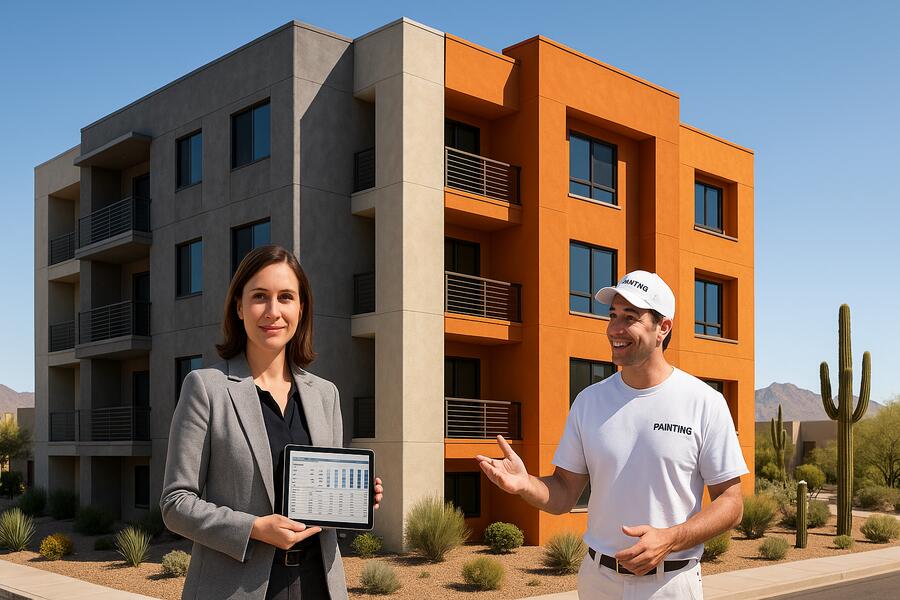
For property managers, budgeting for building-wide repaints is far more complex than simply getting a quote for a single unit. It involves strategic planning, understanding asset lifecycles, and accounting for a multitude of variables to ensure long-term value and aesthetic appeal. A repaint isn’t just a cosmetic update; it’s a critical part of preventive maintenance that protects the building’s infrastructure, enhances tenant satisfaction, and safeguards property values. Without a well-thought-out budget, property managers risk unexpected costs, deferred maintenance, and diminished asset quality.
From common areas in multi-family residences to expansive commercial building exteriors, each project presents unique challenges. This guide will delve into the essential steps and considerations for effectively budgeting for building-wide repaints, drawing on years of practical experience in the commercial painting sector. We’ll explore how to move beyond reactive spending towards a proactive, multi-year painting maintenance plan.
Step 1: Conduct a Comprehensive Facility Assessment & Data Review
The foundation of any accurate repaint budget begins with a thorough understanding of the property’s current condition and historical data.
Detailed Inspection and Condition Assessment
- Exterior Surfaces: Evaluate all exterior materials (wood, stucco, masonry, metal, fiber cement) for signs of wear such as fading, chalking, cracking, peeling, and mildew. Note any areas with moisture intrusion, substrate damage, or extensive repairs needed prior to painting.
- Interior Common Areas: Inspect hallways, stairwells, lobbies, clubhouses, fitness centers, and leasing offices for scuffs, dents, water stains, and general wear and tear, especially in high-traffic zones.
- Architectural Elements: Assess doors, trim, railings, soffits, fascia, and any specialized architectural features for their condition and required maintenance.
Review Historical Maintenance Data
- Previous Paint Cycles: Gather records of when the building was last painted, what type of paint was used, and the scope of work. This provides a baseline for typical repaint intervals for the specific property.
- Repair History: Look for recurring issues in specific areas that might indicate underlying problems affecting paint longevity.
- Budget Allocation: Analyze past maintenance budgets to understand previous spending patterns on painting and related repairs.
💡 Key Takeaway: A robust repaint budget starts with a detailed facility assessment, scrutinizing the condition of all surfaces and architectural elements, complemented by a review of historical painting and repair data to establish realistic expectations.
Step 2: Determine Repaint Cycles & Prioritize Projects
Once the assessment is complete, the next step is to establish realistic repaint cycles for different areas and prioritize the work.
Establishing Realistic Repaint Intervals
- Exterior: Depending on the substrate and climate, exterior repaints typically fall into these ranges:
- Wood Siding: 3-7 years
- Stucco/Masonry/Concrete Block: 5-8 years
- Fiber Cement: 10-15 years
- Metal (doors, frames, railings): 3-5 years (due to exposure)
Hot, dry climates or coastal areas may shorten these lifespans considerably.
- Interior Common Areas: High-traffic interior areas like lobbies, hallways, and stairwells often need refreshing every 3-5 years. Lower-traffic amenity spaces might stretch to 5-7 years.
- Unit Turnovers: For multi-family properties, individual units require touch-ups or full repaints every 1-3 years between tenants, depending on wear and unit standards.
Prioritizing Based on Risk and Impact
- Safety & Protection: Prioritize areas where paint failure could lead to structural damage (e.g., exposed wood causing rot) or safety hazards (e.g., peeling paint in high-traffic areas).
- Curb Appeal & First Impressions: Focus on exterior facades, entryways, and leasing offices, as these significantly impact property value and tenant attraction.
- Preventive vs. Reactive: Integrate preventive maintenance (e.g., scheduled cleaning, minor touch-ups) to extend the life of major capital repaints. Budget a portion for reactive repairs that may arise unexpectedly.
Our team at Pro Tech Painting works closely with property managers to create these detailed assessments.
💡 Key Takeaway: Develop a multi-year repaint schedule based on material lifespan and environmental factors, prioritizing projects by urgency (safety/protection) and impact (curb appeal/tenant experience).
Step 3: Calculating Costs & Creating a Multi-Year Budget
With repaint cycles and priorities established, the final step is to translate this into a financial plan, often spanning multiple years.
Obtain Detailed Quotes from Professional Painters
- Multiple Bids: Always secure at least 2-3 detailed bids from reputable commercial painting contractors. Ensure each bid specifies surface preparation, paint type/brand, number of coats, and warranty.
- Phased Approach: Discuss the possibility of phasing larger projects over several years to spread out costs, aligning with budget cycles or lease events.
- Value Engineering: Explore options for different paint qualities or application methods that can offer cost savings without compromising durability.
Build a Multi-Year Financial Plan
- Annual Budgeting: Allocate a percentage of the annual budget specifically for painting maintenance. Some experts suggest budgeting roughly 1.5-2.5% of the exterior replacement cost annually for painted surface upkeep.
- Reserve Funds: For major capital repaints (e.g., a full exterior overhaul), contribute annually to a long-term reserve fund. A reserve study can help project these future costs accurately.
- Categorize Expenses: Differentiate between routine maintenance (touch-ups, common area refreshes) and capital expenditures (full building repaints).
- Contingency: Always include a contingency fund (typically 10-15%) for unexpected repairs or price fluctuations.
| Budget Component | Description | Typical Allocation/Cycle |
|---|---|---|
| Preventive Maintenance | Annual inspections, cleaning, minor touch-ups. | 15-20% of annual painting budget. |
| Interior Common Areas | Lobbies, hallways, stairwells. | Every 3-5 years (full repaint), or annually for touch-ups. |
| Exterior Capital Repaint | Full repaint of building exterior. | Every 5-15 years, depending on substrate. Funded via reserves. |
| Unit Turnovers | Touch-ups or full repaints between tenants. | As needed, typically every 1-3 years per unit. |
💡 Key Takeaway: To create an accurate budget, gather detailed, phased quotes from multiple contractors, and develop a multi-year financial plan that includes annual maintenance allocations and contributions to a long-term reserve fund for major capital repaints.
Budgeting for building-wide repaints is a continuous, iterative process that demands careful planning and foresight. By conducting thorough assessments, establishing realistic repaint cycles, prioritizing work based on need, and building a multi-year financial strategy, property managers can ensure their buildings remain aesthetically pleasing, well-protected, and valuable assets. Proactive budgeting and strategic partnerships with trusted painting contractors are key to managing costs effectively and avoiding the pitfalls of reactive maintenance.
Have questions about how property managers budget for building-wide repaints? Reach out to our team today.
Frequently Asked Questions
What is a reserve study, and why is it important for painting budgets?
A reserve study is a long-term financial plan that assesses a property’s major common area components (like roofs, pavement, and exterior paint) and estimates their remaining useful life and replacement costs. It then recommends an annual reserve contribution to ensure sufficient funds are available when these components need replacement or major repair, including building-wide repaints. It’s crucial for avoiding special assessments and maintaining property value.
How can property managers ensure competitive and accurate painting bids?
To ensure competitive and accurate bids, property managers should: provide a clear and detailed scope of work to all bidding contractors, specify desired paint brands and quality, require on-site visits for all bidders, and ask for a detailed breakdown of costs (labor, materials, prep). Comparing “apples to apples” ensures you’re evaluating bids fairly.
Is it always cheaper to defer repainting?
No, deferring repainting often leads to higher costs in the long run. When paint fails completely, the underlying substrate becomes exposed to the elements, leading to potential damage like wood rot, stucco deterioration, or moisture intrusion. These repairs are typically far more expensive and time-consuming than a timely repaint. Proactive maintenance preserves the substrate and keeps overall costs down.
What role does paint quality play in budgeting for repaints?
Paint quality plays a significant role. While premium paints may have a higher upfront cost, they offer superior durability, color retention, and weather resistance, which can significantly extend the repaint cycle. This means fewer repaints over time, ultimately saving money on labor and materials in the long term. Budgeting for quality paint is an investment that pays off.
