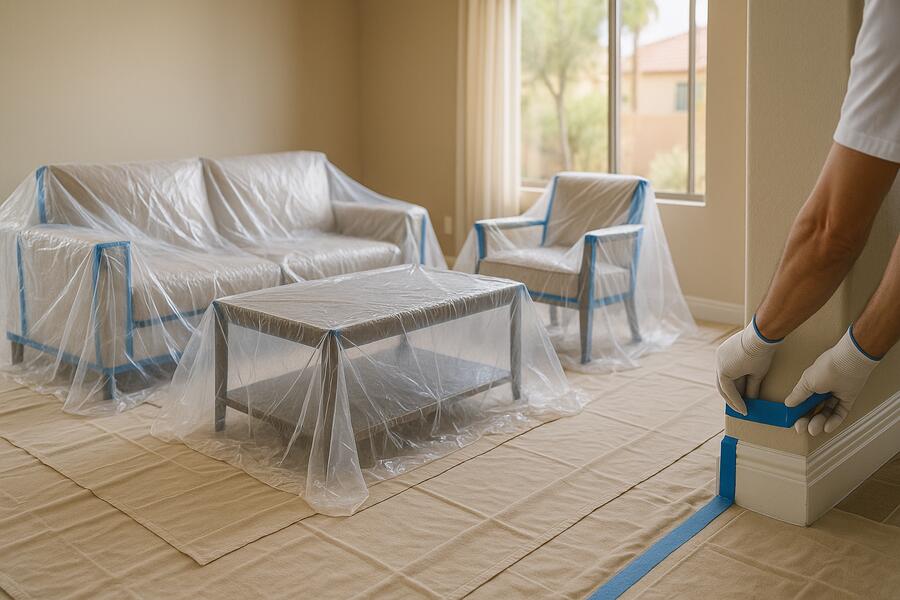
One of the primary concerns homeowners have when embarking on an interior painting project is the safety and protection of their furniture and personal belongings. It’s a valid concern; your home is filled with items that hold value, both monetary and sentimental. As professional residential painters, our approach isn’t just about applying paint; it’s about meticulous preparation, careful handling, and comprehensive protection of your entire living space.
When you hire experienced painters for a project like residential painting phoenix az, you’re not just getting skilled hands; you’re investing in a team that prioritizes the preservation of your property. Our process is designed to minimize disruption and eliminate any risk of damage, ensuring your only focus is on enjoying your beautifully refreshed space.
The Professional Approach to Protecting Your Home
Protecting your home’s contents is a cornerstone of professional painting. It’s a multi-step process that begins long before the first brushstroke and continues until the final inspection. This diligence is what sets professional services apart.
Initial Assessment and Preparation
Before any paint cans are opened, a thorough assessment and preparation phase is crucial. This helps us understand the scope and identify specific items that require extra care.
- Client Consultation: We start by discussing your specific concerns and any highly delicate items. This ensures we’re aware of heirlooms, fragile artwork, or electronics that need special attention.
- Pre-Job Walkthrough: Our team conducts a detailed walkthrough of the areas to be painted, noting furniture layout, existing decor, and potential challenges. This allows us to plan our protection strategy precisely.
- Clearing Small Items: Homeowners are generally advised to remove small, decorative items, electronics, wall hangings, and curtain rods themselves. This ensures their personal touch in handling valuables and speeds up our setup. We can assist with larger, more cumbersome items if needed.
💡 Key Takeaway: Professional painters begin with a thorough plan, consulting with clients and assessing the space to identify and address all protection needs proactively.
Strategic Furniture Movement and Containment
Once small items are cleared, the focus shifts to larger furniture pieces. Our goal is to create a safe, clear workspace while ensuring all belongings are shielded from paint.
- Moving Large Furniture: Heavier items like sofas, beds, and dressers are carefully moved to the center of the room. This provides ample clearance (typically 2-3 feet) from the walls for painting and allows us to work efficiently and safely.
- Grouping Items: If a room is very large or has many heavy pieces, we might group items together in central “islands,” making them easier to cover comprehensively.
- Disassembly (If Necessary): In some cases, light fixtures or curtain rods may need to be carefully removed and stored away from the work area. We handle these tasks with precision and ensure they are reinstalled correctly after painting.
Comprehensive Protection Techniques
Protection isn’t just about covering; it’s about creating an impenetrable barrier against paint drips, dust, and overspray. We utilize industry-standard materials and techniques for superior safeguarding.
Materials Used for Protection
The right materials are essential for effective protection:
| Material | Purpose | Why It’s Used |
|---|---|---|
| Canvas Drop Cloths | Floors and heavy-traffic areas | Absorbent, non-slip, durable, reusable; catches drips without pooling. |
| Plastic Sheeting (e.g., 6-mil) | Furniture, large appliances, non-painted surfaces | Waterproof, dust-proof, lightweight, can be taped securely to form a protective cocoon. |
| Painter’s Tape (e.g., blue tape) | Masking trim, windows, fixtures, sealing plastic | Creates clean lines, removes cleanly without damaging surfaces, secures protection materials. |
| Masking Paper/Film | Covering baseboards, window frames, light fixtures | Provides a robust, paint-resistant barrier for specific architectural details. |
Application of Protection
Our team meticulously covers every surface not being painted:
- Floor Protection: Canvas drop cloths are laid down strategically, overlapping to ensure complete coverage, especially in pathways and directly below painting areas.
- Furniture Wrapping: All moved furniture is meticulously draped and often fully wrapped in plastic sheeting, secured with painter’s tape. This forms a tight seal, preventing any paint splatter or dust from reaching the items.
- Fixture Masking: Electrical outlets, light switches, window frames, baseboards, and any other fixed elements are carefully masked off with painter’s tape and paper or film.
- Containment: If necessary, plastic barriers can be erected between rooms to prevent dust or fumes from migrating to other parts of the home.
💡 Key Takeaway: Utilizing specialized materials like canvas drop cloths, robust plastic sheeting, and professional-grade painter’s tape ensures thorough protection against paint and dust.
Post-Painting Cleanup and Restoration
Our job isn’t done until your home is returned to its original, tidy state—just with a fresh, new look.
- Careful Removal of Protection: Once the paint has dried sufficiently, all drop cloths, plastic sheeting, and tape are carefully removed, ensuring no residue or damage to the underlying surfaces.
- Thorough Cleanup: We meticulously clean the work area, collecting any paint chips, dust, or debris. This includes vacuuming or sweeping floors and wiping down surfaces.
- Furniture Repositioning: Large furniture pieces are carefully moved back to their original positions. While we handle the heavy lifting, clients often prefer to arrange smaller decorative items themselves.
- Final Inspection: A final walk-through with the client ensures complete satisfaction, not just with the paint job but also with the cleanliness and care taken with their belongings.
💡 Key Takeaway: A professional painting service includes meticulous cleanup and careful repositioning of furniture, leaving your space clean and beautifully transformed.
The process of painting your home doesn’t have to be a stressful experience involving ruined furniture or dusty interiors. By entrusting your project to professional residential painters, you gain peace of mind knowing that every precaution is taken to protect your cherished belongings and leave your home looking its best. Our commitment to preparation and protection is as strong as our commitment to a flawless finish.
Have questions about how residential painters handle furniture and belongings during a job? Reach out to our team today.
Frequently Asked Questions About Furniture Protection During Painting
Do I need to empty my closets before painting?
Generally, for wall painting, you don’t need to empty entire closets unless the interior of the closet is being painted. However, it’s a good practice to remove any items directly against the wall being painted inside the closet to allow for better access and to prevent accidental paint transfer.
What if I have very fragile or antique furniture?
We recommend discussing any particularly fragile or antique items during the initial consultation. For these pieces, it’s often best for the homeowner to move them to a safe, unpainted area of the house, or we can provide extra layers of padding and specialized wrapping if they absolutely cannot be moved.
Will the paint smell affect my furniture?
Modern low-VOC (Volatile Organic Compound) paints have significantly reduced odors. However, some lingering smell can be absorbed by porous materials like fabric. We recommend ensuring good ventilation during and after painting, and keeping furniture covered until the paint is fully dry to the touch to minimize odor absorption.
Do painters move large appliances like refrigerators or stoves?
While painters typically move standard furniture, large appliances like refrigerators, stoves, washers, and dryers are generally not part of a standard painting service, especially if they are connected to utilities. If these need to be moved for wall access, it usually requires a specialist or prior arrangement by the homeowner to disconnect and reconnect them safely.