
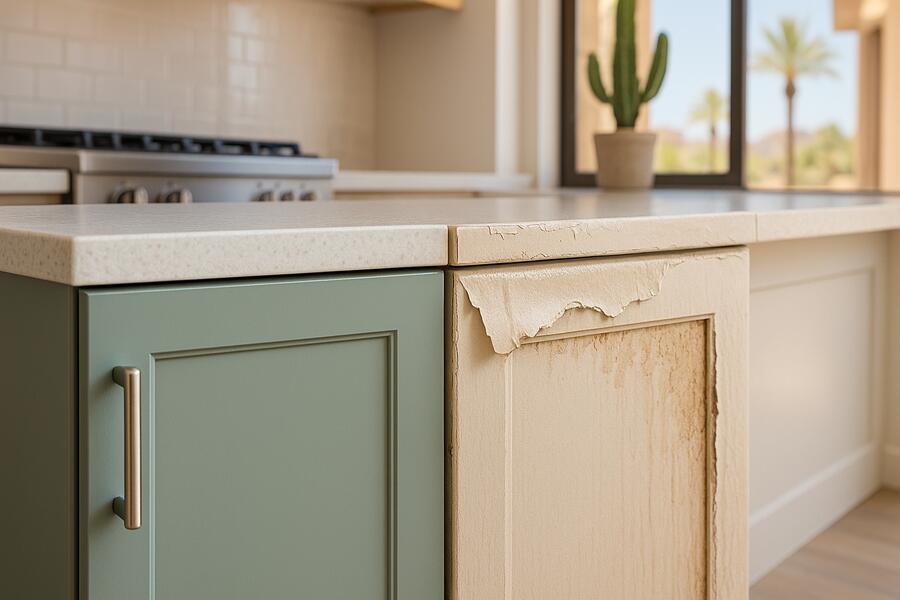
Kitchen cabinet painting is a transformative project, breathing new life into a tired space without the expense and disruption of a full remodel. However, not all cabinets are created equal when it comes to holding a fresh coat of paint. Understanding “are my cabinets good candidates for painting” is crucial for achieving a durable, beautiful finish and avoiding costly disappointments. The success of a cabinet painting project hinges significantly on the existing condition and material of your cabinets.
At Pro Tech Painting, we’ve painted countless cabinets and know precisely what makes a successful project. We guide homeowners and business owners through the assessment process, ensuring their investment yields lasting satisfaction. This guide will walk you through the key factors to evaluate, helping you determine if painting is the right solution for your current cabinetry or if other options might be more suitable.
💡 Key Takeaway: Not all cabinets are ideal for painting. Evaluating their existing condition and material is essential to determine if painting will yield a durable, high-quality finish, preventing potential disappointments and ensuring a worthwhile investment.
Material Matters: Cabinet Construction Types
1. Solid Wood and Wood Veneer Cabinets
These are generally excellent candidates for painting:
- Solid Wood: Cabinets made from solid hardwoods (oak, maple, cherry, birch, etc.) are ideal. Their sturdy construction and natural grain provide a fantastic base for paint. Any imperfections can be filled and sanded smooth.
- Wood Veneer: High-quality wood veneer (a thin layer of real wood over a substrate like plywood or MDF) also takes paint very well, provided the veneer itself is in good condition. The key is proper preparation to ensure adhesion.
- Considerations: For solid wood, paint can highlight existing grain patterns, which some prefer, while others opt for grain-filling for a smoother look. Slight expansion and contraction of solid wood can sometimes lead to hairline cracks in paint at joints, which is a normal occurrence and not a sign of paint failure.
2. MDF (Medium-Density Fiberboard) and HDF (High-Density Fiberboard)
These engineered wood products are also excellent choices for painting:
- Smooth Surface: MDF and HDF offer a very smooth, consistent surface free of grain, which is perfect for achieving a sleek, modern, factory-smooth painted finish.
- Stability: They are more stable than solid wood, with less expansion and contraction, which means less risk of paint cracking at joints.
- Considerations: While excellent for paint, MDF and HDF are more susceptible to water damage if the finish is compromised and moisture penetrates the core. Proper sealing and a durable, professional paint finish are crucial for longevity.
3. Laminate and Thermofoil Cabinets
These materials can be painted, but they require specialized preparation and careful consideration:
- Laminate: These cabinets have a plastic-like coating over particleboard or MDF. They can be painted if the laminate is adhering well and isn’t peeling or delaminating. The surface must be thoroughly cleaned, degreased, and aggressively scuff-sanded, often requiring a specialized bonding primer for proper adhesion.
- Thermofoil (Rigid Thermofoil – RTF): This is a vinyl film heat-wrapped over an MDF core. Thermofoil is the trickiest to paint. If the thermofoil is peeling, bubbling, or cracked, painting over it will not solve the underlying issue and may not be successful long-term. If the thermofoil is intact and in good condition, it can be painted, again with specialized preparation and bonding primers. However, many professionals recommend against painting peeling thermofoil, as the paint won’t stop the underlying vinyl from deteriorating.
💡 Key Takeaway: Solid wood, wood veneer, and MDF/HDF cabinets are generally excellent candidates for painting, offering stable, smooth surfaces for a high-quality finish. Laminate and intact thermofoil can be painted but require specialized preparation and bonding primers, while peeling or damaged thermofoil is typically a poor candidate.
Assessing the Condition of Your Current Cabinets
4. Structural Integrity and Damage
Beyond the material, the overall condition of the cabinets is paramount:
- Sound Structure: Do the cabinet boxes, doors, and drawer fronts feel solid? Are they wobbly or deteriorating? Painting won’t fix structural issues; it will only highlight them.
- Deep Scratches, Dents, or Gouges: Minor imperfections can be filled and sanded. However, extensive deep damage may be too time-consuming or costly to repair adequately, especially if it compromises the cabinet’s integrity.
- Water Damage or Swelling: Any signs of water damage, particularly swelling in particleboard or MDF, indicate that the core material has been compromised. Painting over this will not be durable and will likely result in paint failure. These issues must be repaired or replaced before painting is considered.
5. Existing Finish and Adhesion
The current state of the finish provides clues about paintability:
- Good Adhesion: Is the existing finish (stain, clear coat, or old paint) well-adhered and not peeling, chipping, or bubbling? A sound existing finish provides a stable base.
- Excessive Grease or Grime: While professionals can tackle heavy degreasing, exceptionally thick, baked-on grease requires significant labor and may indicate a challenging surface for proper adhesion.
- Peeling Paint: If your cabinets are already painted and peeling extensively, this indicates a failure of the original paint job (likely poor prep). While it can be corrected by stripping and proper re-prepping, it adds significant labor and cost to the project.
| Cabinet Trait | Good Candidate for Painting | Poor Candidate for Painting |
|---|---|---|
| Material | Solid wood, quality wood veneer, MDF/HDF. | Peeling thermofoil, delaminating laminate, particleboard with extensive damage. |
| Structural Integrity | Solid frames, doors, and drawer fronts; no warping or major movement. | Wobbly frames, broken joints, extensive warping, deteriorating core materials. |
| Surface Condition | Minor dents/scratches, sound existing finish (stain or paint), minimal grease. | Deep gouges, water damage/swelling, extensive peeling paint/laminate, heavy, baked-on grease. |
| Overall “Bones” | You like the layout, door style (even if dated), and functionality of the kitchen. | You dislike the layout, door style, or the functionality is severely lacking. |
💡 Key Takeaway: Assess cabinets for structural integrity, damage, and existing finish adhesion. Solid, undamaged structures with minor cosmetic flaws are good candidates. Avoid painting cabinets with significant water damage, extensive peeling finishes, or deteriorating core materials, as these will likely lead to poor, short-lived results.
Determining if your cabinets are good candidates for painting is the first critical step toward a successful kitchen refresh. While most solid wood and MDF cabinets can be beautifully transformed, it’s vital to be realistic about the limitations of laminate and thermofoil, especially if they are already failing. When in doubt, consulting with experienced cabinets painters near me can provide a professional assessment and guide you toward the best solution for your kitchen’s needs and your aesthetic goals.
Have questions about how to scheduling commercial painting around business hours? Reach out to our team today.
Frequently Asked Questions About Cabinet Painting Suitability
Can I paint cabinets that are peeling or bubbling?
If the peeling or bubbling is from a previously applied paint or laminate, it indicates poor adhesion or material failure. While it’s technically possible to strip old paint or peeling laminate, it’s a labor-intensive and costly process. For thermofoil that is bubbling, painting over it is generally not recommended, as the underlying issue will likely continue, causing the new paint to fail. It’s usually best to consult a professional to assess if repair is feasible or if replacement is a better option.
What if my cabinets are an outdated style but otherwise in good condition?
If you dislike the style (e.g., raised panel, arched tops) but the cabinets are structurally sound and the material is paintable, then they are excellent candidates for painting. A fresh, modern color can dramatically update the appearance of even dated door styles. Sometimes, minor modifications like removing decorative trim or replacing hardware can further enhance the updated look.
Will painting increase the value of my home?
Professionally painted cabinets can significantly boost the aesthetic appeal and perceived value of your home, especially if your existing cabinets are dated or worn. It offers a cost-effective way to achieve a modern, refreshed kitchen look that appeals to potential buyers, providing a good return on investment compared to a full cabinet replacement.
How long does a professional cabinet painting job typically last?
With proper preparation, high-quality primers, and durable, professional-grade topcoats (like 2-component polyurethanes), professionally painted cabinets can last 8 to 15 years, and often longer, with appropriate care. Their longevity is comparable to many factory finishes and significantly outperforms DIY paint jobs using standard latex paints.
