
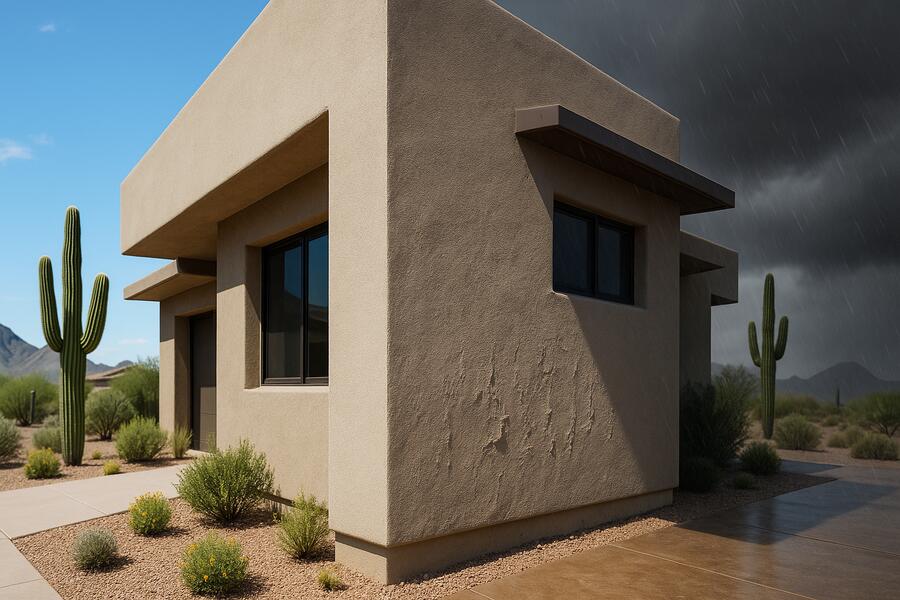
When planning any painting project, especially outdoors, it’s easy to focus on color and finish. However, one of the most critical factors for a long-lasting, quality result is often underestimated: the weather. Understanding how weather affects paint drying time and curing is essential for professional painters and DIY enthusiasts alike. Ignoring environmental conditions can lead to costly mistakes, compromised durability, and a finish that simply doesn’t last.
At Pro Tech Painting, our decades of experience have taught us that patience and proper timing with weather are non-negotiable for superior results. We meticulously monitor forecasts and adjust our schedules to ensure optimal conditions for every project. This guide will walk you through how temperature, humidity, and precipitation interact with paint to influence drying and curing, helping you achieve a flawless finish every time.
💡 Key Takeaway: Weather conditions—temperature, humidity, and precipitation—are critical for paint drying and curing, directly impacting adhesion, durability, and the final aesthetic.
The Science of Paint Drying and Curing
Temperature: The Goldilocks Zone
Temperature plays a significant role in how quickly paint dries and, more importantly, cures:
- Ideal Temperatures: Most paints, especially latex (water-based) and acrylics, perform best in temperatures between 60°F and 85°F (16°C and 29°C). Oil-based paints prefer a slightly wider range, generally 45°F to 90°F (7°C to 32°C). This “Goldilocks Zone” allows solvents to evaporate at an optimal rate.
- Cold Temperatures: Below 50°F (10°C) for latex paints, the paint film struggles to form properly. This drastically slows down drying and curing, leading to poor adhesion, cracking, and a significantly reduced lifespan. Paint may feel dry to the touch but hasn’t properly cured.
- Hot Temperatures: While high temperatures speed up drying to the touch, excessively hot conditions (above 90°F / 32°C) can cause paint to dry too quickly. This can lead to issues like bubbling, blistering, poor adhesion, and an uneven finish, as the paint doesn’t have enough time to level properly before drying.
- Surface Temperature: Crucially, both air and surface temperatures must remain within the recommended window for the paint’s full cure period, not just at the moment of application.
Humidity: The Moisture Factor
Humidity, or the amount of moisture in the air, directly affects the evaporation rate of solvents from paint:
- Low Humidity (Ideal): Dry, mild days with humidity under 50% are optimal. This allows water (for latex) or solvents (for oil-based) to evaporate efficiently, promoting faster drying and proper film formation.
- High Humidity: High relative humidity (over 70-90%) slows down the evaporation process considerably. This means paint takes much longer to dry, increasing the risk of drips, sags, mildew growth, and dirt adhesion. In extreme cases, paint may never fully cure, leading to a soft, tacky finish that’s easily damaged.
- Humid Climates: In consistently humid environments, professional painters often opt for fast-drying, moisture-resistant paints and schedule work during the driest parts of the day.
💡 Key Takeaway: Ideal painting temperatures are 60-85°F; too cold slows curing and compromises adhesion, while too hot can cause premature drying issues like blistering. Low humidity (under 50%) is best for efficient drying and proper film formation.
Precipitation: The Rain Gauge
Rain is arguably the most obvious weather concern for exterior painting, but its impact extends beyond visible wetness:
- Before Painting: Surfaces must be completely dry before painting. A good rule of thumb is to wait at least 24-48 hours after rain before applying paint, allowing the substrate to thoroughly dry and moisture levels to stabilize. Painting on a wet surface leads to poor adhesion, bubbling, and peeling.
- After Painting (Rain-Free Window): Freshly applied paint needs a critical “rain-free” window to dry sufficiently before exposure to moisture.
- Latex/Acrylic Paints: Generally require 4-6 hours (some modern formulations even 2-3 hours) of dry weather before light rain won’t significantly impact the finish. However, more time is always better.
- Oil-Based Paints: Require much longer, typically 12-24 hours, due to their slower drying process.
If rain hits before the paint has adequately dried, it can cause streaking, washing away, blistering, or a dull, mottled finish.
- Snow and Ice: Painting in freezing conditions is almost never recommended, as it prevents proper film formation and curing.
| Weather Factor | Impact on Drying/Curing | Optimal Conditions |
|---|---|---|
| Temperature | Affects solvent evaporation rate; too cold prevents film formation, too hot causes premature drying. | 60-85°F (16-29°C) for most paints. |
| Humidity | High humidity slows evaporation, prolonging drying/curing; low humidity speeds it up. | Below 50% relative humidity. |
| Precipitation | Wet surfaces prevent adhesion; rain on fresh paint causes damage. | 24-48 hours dry before painting; 4-24 hours dry after (depending on paint type) before rain. |
| Wind | Light wind can help evaporation; strong wind causes rapid drying, overspray, and debris adhesion. | Light breeze. |
Other Environmental Factors to Consider
- Wind: A light breeze can be beneficial, helping solvents evaporate and speeding up drying. However, strong winds can cause paint to dry too quickly, leading to brush marks, overspray issues, and increased risk of airborne debris sticking to the wet surface.
- Dew Point: The dew point is the temperature at which air becomes saturated with moisture, leading to condensation (dew). Painting when the surface temperature is at or below the dew point can lead to moisture issues on the paint film, even if the air temperature seems suitable. Professional painters monitor this closely.
💡 Key Takeaway: For exterior projects, ensure surfaces are dry for 24-48 hours before painting, and anticipate a minimum 4-24 hour rain-free window after application, depending on the paint type.
The intricate relationship between weather and paint performance cannot be overstated. By respecting these environmental factors, you ensure that your paint job not only looks great but also achieves its full potential in terms of durability and longevity. For those seeking expert advice and flawless execution that accounts for every variable, we invite you to see the full guide on how we ensure quality on every project.
Have questions about how to scheduling commercial painting around business hours? Reach out to our team today.
Frequently Asked Questions About Weather and Painting
What is the difference between “dry to the touch” and “cured”?
“Dry to the touch” means the surface feels dry and non-tacky, typically within hours of application. At this stage, you can often apply a second coat. “Cured” means the paint has fully hardened, reached its maximum durability, and is completely resistant to moisture and damage. This process can take anywhere from a few days to several weeks, depending on the paint type and environmental conditions.
Can I paint when it’s cold but sunny?
While tempting, painting in cold temperatures (below 50°F / 10°C for latex) is generally not recommended, even if it’s sunny. Cold temperatures significantly slow down the chemical processes that allow paint to dry and cure properly. This can lead to poor adhesion, cracking, and a compromised finish, even if the surface feels dry to the touch.
How does wind affect paint application?
A light breeze can be beneficial, helping solvents evaporate and speeding up drying. However, strong winds can cause paint to dry too quickly, leading to brush marks and poor leveling. Strong winds also increase the risk of overspray, blowing paint onto unintended surfaces, and carrying dust and debris onto the wet paint film.
What happens if exterior paint gets rained on too soon?
If exterior paint gets rained on before it has adequately dried and formed a protective film, several issues can occur. These include streaking, washing away of the paint, blistering (paint separating from the surface), a dull or mottled finish, and significantly reduced adhesion and durability. The severity depends on the paint type, the amount of rain, and how dry the paint was.
