
The fresh look of a newly painted room is undeniably appealing, but the strong smell that often accompanies it can be a significant concern. This distinct “paint smell” comes from Volatile Organic Compounds (VOCs) that are released into the air as paint dries. Understanding paint odor and ventilation during a repaint is key to ensuring a healthy indoor environment and a pleasant experience.
At Pro Tech Painting, we prioritize both the quality of our work and the comfort and safety of our clients. We know that managing paint fumes effectively is just as important as the perfect brushstroke. Our approach integrates strategic product selection with robust ventilation techniques to minimize odor and protect indoor air quality. This guide will explain what causes paint odor, how long it typically lasts, and the best practices for ventilation to keep your home fresh and safe during and after a repaint.
💡 Key Takeaway: Paint odor is caused by VOCs released during drying. Understanding its duration and implementing proper ventilation are crucial for indoor air quality and comfort during and after a repaint.
Understanding Paint Fumes and Their Impact
What Causes Paint Odor? The Role of VOCs
Paint fumes are primarily composed of Volatile Organic Compounds (VOCs). These are chemicals that evaporate into the air as the paint dries and cures. While VOCs help paint spread evenly and dry properly, they can also cause a strong odor and potentially affect indoor air quality. High concentrations of VOCs can lead to symptoms like headaches, dizziness, and respiratory irritation, particularly for sensitive individuals or those with existing conditions.
- Traditional Paints: Historically, many oil-based and some latex paints contained high levels of VOCs, leading to prolonged and intense odors.
- Low-VOC and Zero-VOC Paints: The industry has seen a significant shift towards environmentally friendly options. Modern low-VOC and zero-VOC paints are formulated to release fewer chemicals into the air, resulting in significantly less odor. While “zero-VOC” paints still contain trace amounts, their impact on air quality is minimal compared to traditional formulations. We often recommend these options to our clients, especially for interior projects.
How Long Do Paint Fumes Last?
The duration of paint smell depends on several factors:
- Type of Paint: Low-VOC and zero-VOC paints typically have a noticeable odor during application and for about 24-48 hours afterward. Traditional, high-VOC paints can emit fumes for several days to weeks.
- Ventilation: The better the ventilation, the faster the fumes dissipate.
- Temperature and Humidity: Ideal drying conditions (moderate temperature, low humidity) help paint cure faster, thus releasing VOCs more quickly. High humidity and low temperatures can prolong the odor.
- Surface Area: A larger painted area will naturally produce more fumes and take longer to air out.
While the most significant emissions occur during and immediately after painting (the first 48 hours), some compounds can continue to release at low levels for up to two weeks, even with low-VOC products.
💡 Key Takeaway: Paint odor stems from VOCs; modern low-VOC and zero-VOC paints significantly reduce this. Odor duration varies by paint type, ventilation, and environmental conditions, typically lessening within 24-48 hours but potentially lingering for weeks at low levels.
Effective Ventilation Strategies During and After Painting
During the Painting Process
Proper ventilation starts the moment painting begins:
- Open Windows and Doors: Create cross-ventilation by opening windows and doors on opposite sides of the room. This helps establish a steady airflow, pushing stale, fume-laden air out and drawing fresh air in.
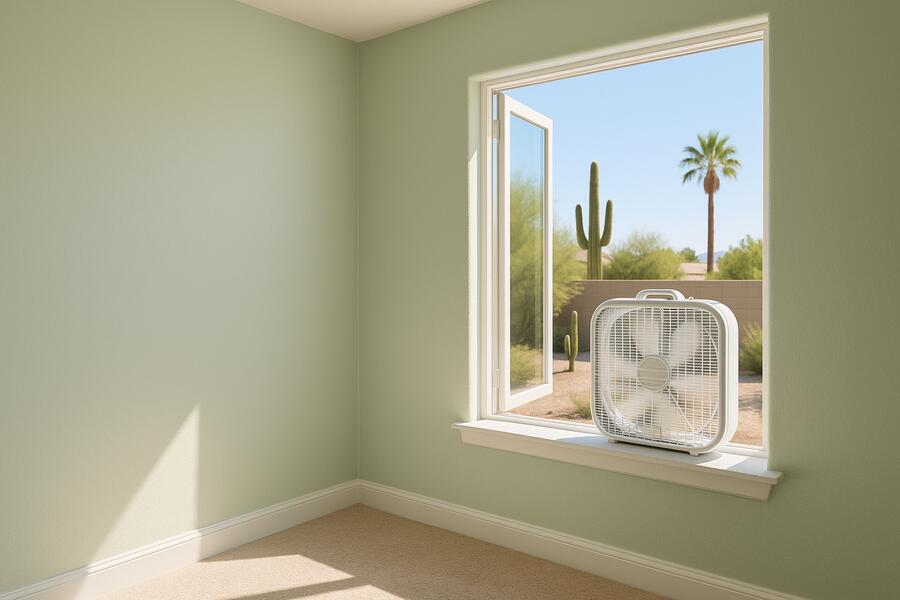
- Use Fans: Position box fans in windows, facing outward, to actively exhaust air from the painted room. Another fan can be placed across the room, pulling fresh air in. This creates negative air pressure in the work area, helping to contain fumes and prevent them from spreading to other parts of the house.
- Keep Adjacent Areas Clear: Close off the painted area from the rest of the home to prevent fumes from spreading. Seal gaps under doors with towels if necessary.
- Wear a Respirator: While ventilation is key for the general environment, individuals working directly with paint should wear an appropriate respirator to protect themselves from inhaling concentrated fumes. This is a standard safety practice for residential painting companies phoenix az.
After Painting: Maintaining Airflow
Ventilation should continue for a significant period after painting is complete to ensure all VOCs dissipate and the paint fully cures:
- Continue Ventilation for 24-48 Hours: Keep windows and doors open (weather permitting) and fans running for at least 24 to 48 hours after the final coat. This is crucial for initial fume dissipation.
- Longer-Term Airing: For a few days to a week, especially after painting an entire interior, maintaining some level of airflow (even cracking windows or running ceiling fans) will help remove any lingering odors and aid in the full curing process of the paint.
- Activated Carbon Filters: Air purifiers equipped with activated carbon filters can be very effective at absorbing VOCs and accelerating odor removal, particularly in enclosed spaces or during periods of high humidity.
- Natural Odor Absorbers: Bowls of activated charcoal, baking soda, or cut onions can help absorb residual odors, though they are less effective than robust ventilation.
| Ventilation Strategy | Why It’s Important | Best Practices |
|---|---|---|
| Cross-Ventilation | Removes stale air, brings in fresh air. | Open windows/doors on opposite sides. |
| Exhaust Fans | Actively pushes fumes out of the room. | Place box fan facing outward in a window. |
| Sealing Off Work Area | Prevents fumes from spreading to other rooms. | Close doors, use towels under gaps. |
| Post-Painting Airflow | Ensures full dissipation and proper paint curing. | Maintain fans/open windows for 24-48 hours, then lighter airflow for a week. |
💡 Key Takeaway: During painting, maximize cross-ventilation with open windows and exhaust fans. Continue this robust airflow for 24-48 hours post-painting, followed by lighter ventilation for up to a week, to fully dissipate odors and aid curing.
Managing paint odor and ensuring proper ventilation are integral parts of a professional painting project. By selecting low-VOC paints and implementing effective airflow strategies, you can enjoy a beautifully refreshed space with minimal disruption to your indoor air quality. Always prioritize safety and comfort when undertaking a repaint, knowing that a little extra effort in ventilation goes a long way in creating a healthy and pleasant environment.
Have questions about how to scheduling commercial painting around business hours? Reach out to our team today.
Frequently Asked Questions About Paint Odor and Ventilation
Are paint fumes harmful?
Yes, paint fumes, particularly from high-VOC paints, can be harmful. Inhaling high concentrations can cause immediate symptoms like headaches, dizziness, nausea, and respiratory irritation. Long-term exposure to certain VOCs has been linked to more serious health issues. Using low-VOC paints and ensuring proper ventilation significantly mitigates these risks.
Can I sleep in a freshly painted room?
It’s generally not recommended to sleep in a freshly painted room, especially for the first 24-48 hours, even with low-VOC paints, if ventilation has been minimal. While low-VOC paints reduce the risk, it’s best to allow ample time for thorough ventilation and for the strongest fumes to dissipate before extended periods of exposure like sleeping, particularly for children, pregnant women, and individuals with respiratory issues.
How do I know if the room is sufficiently ventilated?
The most obvious indicator is a significant reduction in noticeable paint odor. If you can still smell strong fumes, more ventilation is needed. Using exhaust fans to create a noticeable airflow out of the room, and feeling a fresh breeze coming in from opposite windows, are good signs of effective ventilation.
What alternatives exist for reducing paint odor?
The best alternatives are using low-VOC or zero-VOC paints, which are designed to emit fewer fumes. Beyond that, active ventilation (fans, open windows), air purifiers with activated carbon filters, and maintaining ideal drying conditions (moderate temperature, low humidity) are the most effective ways to reduce and eliminate paint odor.
