
Your home’s paint job is more than just a aesthetic choice; it’s a vital protective layer that shields your property from the elements, preserves its structural integrity, and boosts curb appeal. Over time, however, even the highest quality paint will succumb to wear and tear. Recognizing the signs its time to call a painter isn’t just about maintaining appearances, it’s about proactive home maintenance that can save you significant repair costs down the road.
At Pro Tech Painting, we’ve seen countless homes where delaying a repaint led to more extensive problems. Our experience as trusted house painters phoenix az residents rely on, has taught us that early detection of paint failure is key. This guide will help you identify the common indicators that your home’s exterior or interior paint is past its prime and needs professional attention.
💡 Key Takeaway: Your home’s paint serves as its first line of defense. Ignoring early signs of paint failure can lead to expensive structural damage, making a timely repaint a smart investment in your property’s longevity and value.
Decoding the Red Flags: When Your Paint is Telling You Something
Fading, Discoloration, and Chalking
These are often the first, subtle signs that your paint is breaking down, particularly on exterior surfaces exposed to harsh sunlight and weather:
- Fading or Uneven Color: If your home’s color looks dull, bleached out, or significantly lighter in areas that get more sun exposure, the UV rays are breaking down the pigments in the paint.
- Discoloration: Beyond general fading, you might notice specific areas of discoloration or staining that cleaning can’t remove. This can indicate environmental pollutants or reactions within the paint itself.
- Chalking: This manifests as a fine, powdery residue that comes off on your hand when you rub the painted surface. Chalking occurs when the paint’s binder breaks down due to UV exposure, releasing pigment particles. While some chalking is normal for certain paint types, excessive chalking means the protective qualities are diminishing rapidly.
These aesthetic issues are more than skin deep; they signal that the paint’s ability to protect the underlying substrate is weakening.
Peeling, Cracking, and Blistering
These are more severe indicators of paint failure, often suggesting underlying moisture issues or poor adhesion:
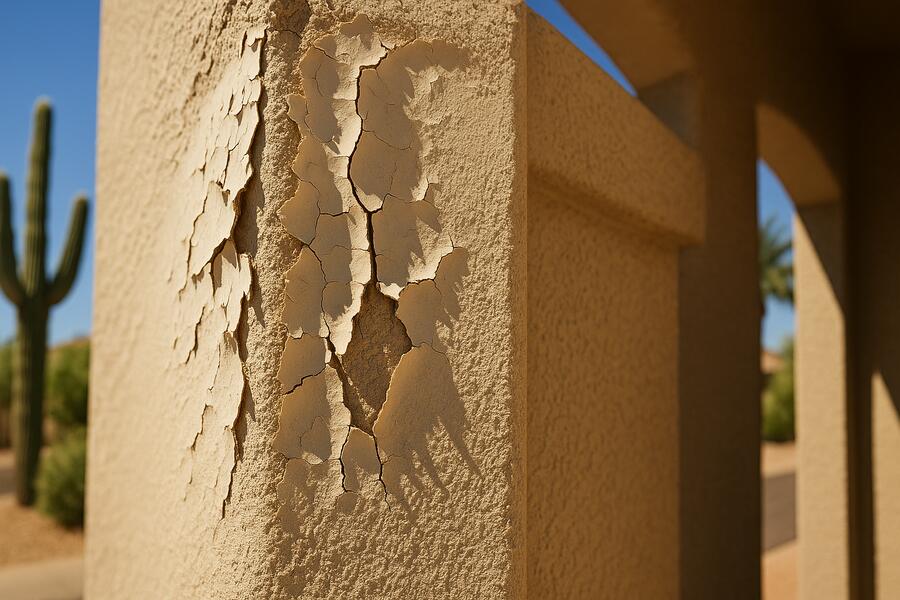
- Peeling or Flaking Paint: When paint visibly lifts or peels away from the surface, it has lost adhesion. This often occurs when moisture gets behind the paint film, or if the surface wasn’t properly prepared before painting.
- Cracking: Small hairline cracks can expand into wider, deeper cracks (sometimes called “alligatoring”), exposing the substrate. This is typically due to paint losing its flexibility as it ages, or movement in the underlying material.
- Blistering or Bubbling: Bubbles forming under the paint surface are a clear sign of trapped moisture. This could be from humidity, leaks, or even dew that couldn’t escape due to improper priming or paint application. Once these blisters pop, they leave bare spots vulnerable to further damage.
These signs are urgent calls for attention, as they leave your home’s exterior vulnerable to water intrusion and rot.
💡 Key Takeaway: Peeling, cracking, and blistering are critical indicators of paint failure, often linked to moisture. Addressing these issues promptly is essential to prevent more extensive and costly damage to your home’s structure.
Mold, Mildew, and Wood Rot
The presence of organic growth or decaying materials signals a serious protective breakdown:
- Mold and Mildew: Dark green, black, or grey spots, especially in shaded or damp areas of your home’s exterior, indicate mold or mildew growth. While sometimes cleanable, persistent or widespread growth suggests a lingering moisture issue that the paint can no longer resist.
- Exposed or Rotting Wood: If you see bare wood, or wood that appears soft, crumbly, or discolored, you likely have wood rot. This means moisture has penetrated the paint and compromised the structural integrity of your siding, trim, or deck. This is a critical sign that requires immediate professional intervention.
These are not merely cosmetic issues; they directly impact the health of your home and can lead to expensive structural repairs if left unaddressed.
| Sign of Paint Failure | What It Looks Like | What It Indicates |
|---|---|---|
| Fading/Discoloration | Dull, bleached-out color; uneven tones. | UV breakdown, diminishing protective qualities. |
| Chalking | Powdery residue rubs off when touched. | Binder breakdown, nearing end of lifespan. |
| Peeling/Flaking | Paint lifting or detaching from surface. | Moisture intrusion, poor adhesion, substrate vulnerability. |
| Cracking | Hairline cracks widening, alligatoring. | Paint losing flexibility, substrate movement, moisture. |
| Blistering/Bubbling | Bubbles forming under paint surface. | Trapped moisture, improper application. |
| Mold/Mildew | Dark spots, organic growth on surfaces. | Moisture issues, lack of light, compromised protection. |
| Wood Rot | Soft, crumbly, or discolored wood. | Severe moisture damage, structural compromise. |
Failing Caulking and Exposed Substrate
The integrity of your home’s sealant is just as important as the paint itself:
- Cracked or Missing Caulk: Caulk seals gaps around windows, doors, and trim, preventing water intrusion. If the caulk is cracked, shrunken, or missing, it creates direct pathways for moisture to get behind your paint and into your walls.
- Exposed Substrate: Any area where the paint has completely worn away, leaving bare wood, stucco, or siding exposed, is highly vulnerable. These areas will absorb moisture, leading to faster degradation and potential rot. Even if the paint isn’t visibly failing, a rough, brittle, or thin texture can indicate it’s no longer providing adequate protection.
Maintaining tight seals and full coverage is paramount for protecting your home.
💡 Key Takeaway: Don’t overlook the integrity of your caulking. Failing caulk provides direct entry points for moisture, compromising both your paint and your home’s structural elements.
Outdated Colors and General Appearance
Sometimes, the signs are less about damage and more about aesthetics and age:
- Outdated Color Schemes: Paint trends change. If your home’s color scheme feels dated or no longer reflects your style, a fresh coat can completely transform its appearance and boost its market value.
- Dull, Lifeless Appearance: Even if the paint isn’t actively failing, years of exposure can leave it looking dull and lifeless. A fresh coat of paint restores vibrancy and curb appeal, making your home feel new again.
- Preparing to Sell: A fresh, professional paint job is one of the most cost-effective ways to increase your home’s marketability and appeal to potential buyers.
Whether you’re seeing subtle signs of wear or obvious structural concerns, understanding these indicators means you’re empowered to make informed decisions for your home. Calling a professional painter isn’t just about applying a new coat; it’s about expert diagnosis, thorough preparation, and a durable finish that protects your investment for years to come. Don’t wait until minor issues become major headaches.
Have questions about getting a fresh coat of paint for your home? Reach out to our team today.
Frequently Asked Questions About Repainting Your Home
How often should I paint my house exterior?
The lifespan of exterior paint varies based on climate, paint quality, and surface preparation, but generally, homes should be repainted every 5-10 years. High-quality paints applied by professionals with proper preparation might last longer, while harsher climates or lower-quality jobs may require more frequent repainting.
Can I just touch up small areas of peeling paint?
While small touch-ups are possible, if peeling is widespread or due to underlying issues like moisture, a full repaint with proper surface preparation is usually recommended. Simply painting over peeling areas often leads to the new paint also failing prematurely.
What happens if I wait too long to repaint my house?
Delaying a repaint can lead to significant problems. Exposed wood can rot, siding can warp, and moisture can penetrate walls, leading to expensive structural damage, mold growth, and reduced energy efficiency. A timely repaint protects your home’s integrity and value.
How do I know if my existing paint has lead?
If your home was built before 1978, there’s a good chance it contains lead-based paint. The only way to confirm is through professional testing. If lead paint is present, special precautions and lead-safe work practices are required for scraping, sanding, or disturbing the paint to protect occupants and workers.
