
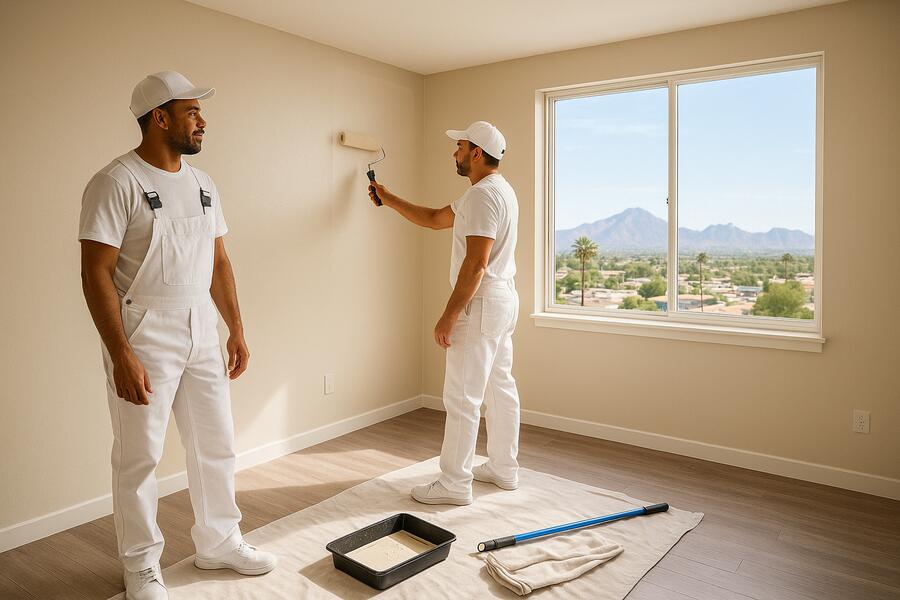
For property managers, every day a unit sits vacant represents lost revenue. That’s why optimizing your unit turnover painting timelines isn’t just a nicety—it’s a critical component of your operational efficiency and bottom line. A quick, high-quality paint job can significantly reduce downtime, ensuring your properties are market-ready faster and appealing to new tenants.
At Pro Tech Painting, we understand the pressures of apartment turnovers. Our expertise is rooted in years of delivering efficient, high-quality painting services designed to meet stringent deadlines without compromising on finish or durability. This guide will walk you through typical timelines, influencing factors, and strategies to tighten your turnover schedule.
💡 Key Takeaway: Efficient unit turnover painting is crucial for minimizing vacancy and maximizing rental income. Understanding and optimizing these timelines is a direct investment in your property’s profitability.
Optimizing Your Unit Turnover Painting Timelines for Efficiency
Typical Unit Turnover Painting Timelines
The time it takes to paint a unit during turnover can vary significantly based on its size, condition, and the scope of work required. However, there are general benchmarks we aim for:
- Standard One-Bedroom Unit: Often completed within 1 full day for empty units with minor repairs.
- Standard Two-to-Three-Bedroom Unit: Typically requires 1.5 to 2 days when empty and the scope is clear.
- Larger or Heavily Damaged Units: Can extend to 3-4 days, especially with extensive drywall repairs, significant color changes (dark to light), or textured walls.
These timelines assume the unit is empty and ready for our crew to begin prep work immediately. Coordination with other trades is vital to avoid delays.
| Unit Type | Condition / Scope | Estimated Painting Timeline (Empty Unit) |
|---|---|---|
| 1-Bedroom | Standard repaint, minor wall repairs | 1 day |
| 2-Bedroom | Standard repaint, minor wall repairs | 1.5 – 2 days |
| 3-Bedroom+ | Standard repaint, minor wall repairs | 2 – 3 days |
| Any Size | Extensive drywall damage, dark-to-light color change, ceiling work | Add 1-2+ days |
Factors That Impact Painting Duration
While we strive for speed, several elements can influence how long a painting project takes:
- Unit Condition: The biggest variable. Extensive patching, sanding, and drywall repairs naturally add time. A unit with significant wear and tear will take longer to prep than one only needing a fresh coat over existing paint.
- Scope of Work: A simple touch-up is much faster than a full repaint of walls, ceilings, and trim. Changing from a very dark color to a light one typically requires an extra coat of primer and paint, extending the process.
- Color Selection: Standardized, light-neutral colors are ideal for speed. They often cover better with fewer coats and require less precise cutting in.
- Accessibility: An empty unit allows for faster, more efficient work. If furniture or belongings are present, additional time is needed for moving, covering, and protecting items.
- Curing Times: Even with fast-drying, low-VOC paints, proper curing between coats and before tenant move-in is essential for durability and avoiding damage. Skipping this step can lead to costly reworks.
💡 Key Takeaway: Proactive assessment of unit condition and a clear scope of work before the painters arrive are crucial. Standardized colors and empty units are your best friends for speed.
Strategies to Shorten Your Turnover Cycle
Minimizing vacancy requires more than just fast painters; it demands a strategic approach to the entire turnover process:
- Pre-Scheduling: As soon as a move-out date is confirmed, get your painting crew on the schedule. Day 0 scheduling allows for immediate damage assessment and workflow planning.
- Standardized Processes: Implement a clear tier criteria for what constitutes a touch-up versus a full repaint. Have one approved color list with documented can numbers per property to eliminate decision-making delays and ensure consistency.
- Clear Communication: Provide painters with a room-by-room scope in writing. Ambiguity leads to questions and delays.
- Coordination with Other Trades: Ensure painting is scheduled efficiently around other services like cleaning and flooring. Often, painting happens after major repairs and before final cleaning.
- Partner with Experienced Professionals: Working with a painting company that specializes in multi-unit properties understands the need for rapid, high-volume turnover. Look for contractors who have honed their processes for apartment painting, like those experienced in apartment painting phoenix az, as they are accustomed to these demands.
💡 Key Takeaway: A dedicated painting partner with streamlined processes and a clear communication channel can dramatically improve your unit turnover painting timelines. Don’t underestimate the value of expertise.
Integrating Painting into the Overall Turnover Plan
Painting is one piece of the larger make-ready puzzle, typically fitting into a 5-7 day turnover cycle. A common integration timeline looks like this:
- Day 1: Move-out & Initial Assessment. Tenant vacates, initial walk-through to document damages.
- Days 2-3: Cleaning & Patchwork. Heavy cleaning, drywall repair, caulking, and prep work for painting. Ensuring surfaces are dry is critical before paint application.
- Days 3-4: Painting. Application of primer (if needed) and two coats of paint. This is often where a 2-3 person crew can complete a standard unit in 1-2 days.
- Day 5-6: Flooring & Punch List. Flooring replacement/cleaning, final touch-ups, and addressing any remaining items on the punch list.
- Day 7: Final Inspection & Market Ready. Unit is cleaned, inspected, and ready for showing.
By viewing painting as an integral, but not isolated, part of this sequence, property managers can better coordinate and manage expectations.
Mastering your unit turnover painting timelines is about more than just speed; it’s about smart planning, clear communication, and partnering with the right professionals. By implementing these strategies, you can significantly reduce your vacancy rates, enhance tenant satisfaction, and protect your property assets for the long term.
Have questions about how to optimize your unit turnover painting timelines? Reach out to our team today.
Frequently Asked Questions About Turnover Painting
What is the fastest way to get an apartment painted for turnover?
The fastest way involves a combination of factors: having the unit completely empty, ensuring all wall repairs are done and dry beforehand, using a professional painting crew experienced in turnovers, and selecting standard, light-neutral paint colors that require fewer coats.
How often should apartment units be fully repainted?
While touch-ups are common between tenants, a full repaint is typically needed every few tenancies (e.g., every 3-5 years) or when there’s significant accumulated damage, a desire to update the color scheme, or a change in unit condition that warrants a complete refresh.
Can you paint an apartment unit with furniture still inside?
Yes, it’s possible, but it will significantly extend the timeline and may incur additional costs. Painters will need extra time to move furniture, meticulously cover all belongings, and work carefully around obstacles. For the quickest and most efficient turnover, an empty unit is always preferred.
What kind of paint is best for apartment turnovers?
For apartment turnovers, durable, washable, low-VOC (Volatile Organic Compound) or zero-VOC paints are recommended. Eg-shel or satin finishes are common for walls due to their balance of durability and ease of cleaning. These paints dry quickly, allowing for faster re-occupancy and less lingering odor for new tenants.
