
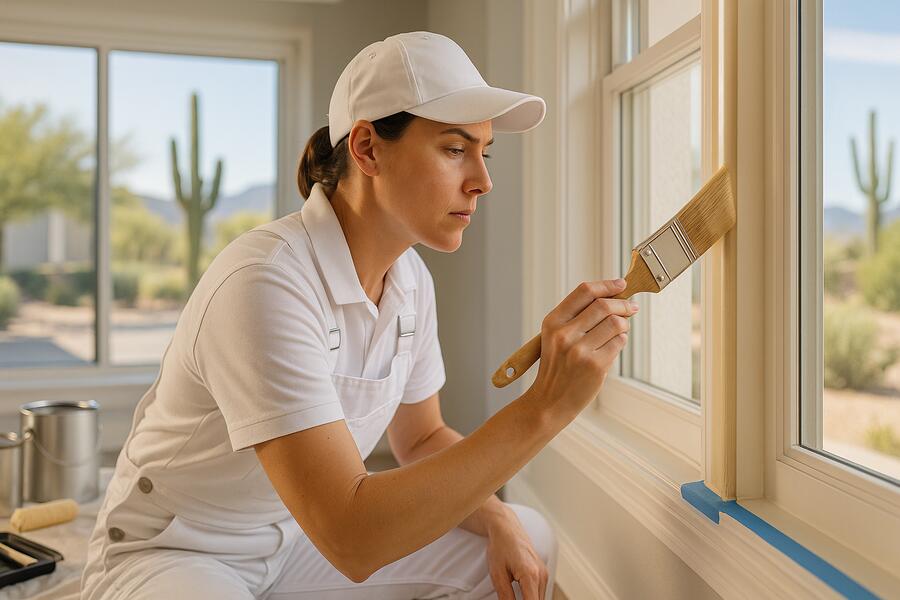
When you’re looking to refresh your home or commercial property with a new coat of paint, it’s natural to wonder about the investment involved. Professional painting is more than just applying color to a surface; it’s a skilled trade that requires precision, experience, and quality materials. Understanding what drives the cost of a paint job can help you appreciate the value of a professional service and make an informed decision for your project.
At Pro Tech Painting, we believe in transparent pricing and helping our clients understand the factors that contribute to their project’s total cost. While initial quotes might seem varied, they reflect a multitude of elements that ensure a durable, beautiful finish. This guide will break down the primary components that influence the price of a professional paint job, from preparation to the final touches, giving you a clearer picture of your investment.
💡 Key Takeaway: The cost of a professional paint job is influenced by more than just square footage. Factors like surface preparation, paint quality, project complexity, and labor rates significantly drive the overall investment for a lasting, high-quality finish.
The Foundation: Surface Preparation and Condition
1. Condition of the Existing Surface
The state of the surfaces to be painted is often the most significant cost driver. A pristine surface requires minimal intervention, while a damaged one demands extensive prep work, which directly translates to more labor hours.
- Good Condition: Walls that are clean, smooth, and free of imperfections will require basic cleaning, light sanding, and minor touch-ups.
- Fair Condition: Surfaces with small cracks, nail pops, minor stains, or light peeling will need more intensive filling, patching, and sanding.
- Poor Condition: Heavily damaged surfaces with extensive peeling paint, large holes, water stains, mold, or damaged drywall will necessitate significant repair work, including scraping, drywall repair, and specialized primers. This can drastically increase labor time and material costs.
2. The Extent of Preparation Work Required
Professional painters dedicate a substantial portion of their time to preparation because it’s the bedrock of a long-lasting finish. This includes:
- Cleaning and Degreasing: Removing dirt, grime, and grease (especially in kitchens or high-traffic areas).
- Sanding: Smoothing rough surfaces, feathering edges of old paint, and creating a profile for new paint adhesion.
- Patching and Filling: Repairing holes, cracks, and imperfections with spackle or drywall compound.
- Caulking: Sealing gaps in trim, baseboards, and window frames for a neat finish.
- Priming: Applying primer to ensure proper adhesion, block stains, and achieve consistent color. Some surfaces or color changes require specific types of primers.
💡 Key Takeaway: The condition of your existing surfaces and the necessary preparation work are major cost factors. Extensive repairs like patching, scraping, and heavy cleaning significantly increase labor hours, making thorough surface prep a foundational driver of your total painting investment.
Material Quality, Project Scope, and Complexity
3. Quality and Type of Paint and Materials
The paint itself represents a critical component of the overall cost, typically accounting for 15-30% of the total project. This is where investing in quality truly pays off in terms of durability and finish.
- Paint Grade: Premium paints offer better coverage, durability, color retention, and washability compared to economy grades. They contain higher concentrations of pigments and binders.
- Specialty Paints: Specific needs, such as mildew-resistant paint for bathrooms, low-VOC options for sensitive environments, or durable enamel for trim and cabinets, will impact cost.
- Primer and Supplies: High-quality primers, masking tape, drop cloths, brushes, and rollers also contribute to the material budget.
4. Size, Scope, and Architectural Details
The sheer scale of the project and its intricate elements directly affect labor time.
- Square Footage: Larger areas naturally require more paint and more labor. However, painting costs are not strictly linear per square foot, as setup and cleanup times remain relatively constant.
- Number of Coats: A standard, high-quality paint job typically requires two finish coats over a properly prepped and primed surface. More drastic color changes or very porous surfaces may require additional coats.
- Ceiling Height: High ceilings (9+ feet) or vaulted ceilings increase labor due to the need for ladders, scaffolding, and extra care in application.
- Architectural Details: Features like crown molding, wainscoting, intricate trim, built-in shelving, and numerous doors and windows demand meticulous cutting-in, taping, and often more specialized tools, which extends labor time.
- Number of Colors: Using multiple colors within a single room or on exterior trim requires more cutting-in, masking, and color changes, adding to the complexity and time.
💡 Key Takeaway: High-quality paints and specialty coatings significantly contribute to a job’s cost but offer superior durability and finish. The size of the area, number of coats, ceiling height, and intricate architectural details all increase labor time and project complexity, directly impacting the final price.
Labor, Logistics, and Professionalism
5. Labor Costs and Expertise
Labor typically accounts for the largest portion of a paint job’s cost (often 70-85%). This reflects the skill, efficiency, and overhead of a professional team.
- Painter’s Experience: Highly skilled and experienced painters command higher rates but deliver superior results, greater efficiency, and better problem-solving.
- Crew Size and Efficiency: A larger, well-coordinated crew can complete a job faster, but overall labor hours will still reflect the total work involved.
- Insurance and Licensing: Reputable painters carry liability insurance and workers’ compensation (if they have employees) and are properly licensed. These necessary business costs are factored into their rates but provide crucial protection for you.
- Seasonality and Location: Demand for painting painting services can influence pricing, with peak seasons potentially having higher rates. Regional labor costs also vary.
6. Logistics and Project Overhead
Behind every quote are operational costs that ensure a smooth project.
- Equipment: Investment in quality tools like airless sprayers, sanders, ladders, and scaffolding is essential for professional results.
- Cleanup and Waste Disposal: Proper cleanup, including safe disposal of paint waste, is part of a professional service.
- Project Management: Planning, coordination, and client communication ensure the project stays on track and meets expectations.
- Warranty: Many professional painters offer a warranty on their workmanship, providing peace of mind, and this commitment is reflected in their pricing.
| Cost Driver | Impact on Price | Why It Matters to You |
|---|---|---|
| Surface Condition | Major increase for poor condition (peeling, damage). | Ensures long-lasting, smooth finish; prevents premature failure. |
| Material Quality | Higher cost for premium/specialty paints. | Better durability, color retention, washability, and overall longevity. |
| Project Scope & Complexity | More hours for high ceilings, intricate trim, multiple colors. | Achieves precise lines, clean transitions, and a polished look. |
| Labor & Expertise | Largest component; reflects skill, efficiency, insurance. | Ensures a high-quality outcome, adherence to timelines, and protection from liability. |
| Overhead & Warranty | Covers equipment, management, cleanup, and guarantees. | Provides peace of mind, professional execution, and accountability. |
💡 Key Takeaway: Labor costs, including the painter’s experience, crew size, and essential business overhead like insurance and licensing, form the largest portion of a paint job’s expense. These elements guarantee a professional, efficient, and protected project, leading to a superior and warrantied finish.
Ultimately, the cost of a professional paint job is an investment in your property’s aesthetics, protection, and value. By understanding these key drivers, you can better evaluate quotes, appreciate the effort involved, and choose a contractor who delivers exceptional results. A seemingly higher upfront cost often translates to superior durability, fewer problems, and a longer-lasting finish, saving you money and hassle in the long run.
Have questions about how to scheduling commercial painting around business hours? Reach out to our team today.
Frequently Asked Questions About Painting Costs
Why does preparation cost so much in a paint job?
Preparation is crucial because it directly impacts the longevity and quality of the final paint finish. Skipping or skimping on prep (cleaning, sanding, patching, priming) leads to premature paint failure, such as peeling or uneven results. While labor-intensive, thorough preparation ensures the paint adheres properly and looks its best for years, making it a wise investment rather than an avoidable expense.
Is it cheaper to provide my own paint for a professional painter?
Not necessarily. While you might save a small amount on the retail price of paint, professional painters often get contractor discounts on materials that homeowners don’t. More importantly, they know which specific paints and primers perform best for different surfaces and conditions. Providing your own paint might not align with their preferred products or warranty standards, potentially complicating the job or affecting the guarantee. It’s usually best to let the professionals source the materials.
Why are exterior paint jobs sometimes more expensive than interior ones?
Exterior paint jobs often face additional complexities. This includes more extensive surface preparation (power washing, scraping loose paint, repairing siding), the need for specialized equipment like ladders and scaffolding due to height, working around weather conditions, and often using more durable, weather-resistant, and potentially more expensive exterior-grade paints. All these factors contribute to higher labor and material costs compared to a typical interior room.
Does getting multiple colors add significantly to the cost?
Yes, using multiple colors, especially in intricate patterns or on detailed trim, does add to the cost. Each color requires additional masking, cutting-in, and cleanup, increasing labor time. While the material cost for an extra gallon or two of different colors might be minor, the labor involved in applying them precisely is a significant factor in the overall price increase.
